What to Document When a Patient Asks About Stem Cell Banking: A Physician’s Compliance and Charting Guide

As stem cell banking becomes more visible in the consumer space, primary care physicians and general practitioners are increasingly fielding patient questions they did not seek out. The physician’s role here is not to sell banking; it is to keep the conversation compliant, document it, and direct the patient to appropriate resources. Handled well, this […]
Sports Medicine Physicians and Stem Cell Banking: Documentation, State Scope, and the Trial Pipeline Before July 1

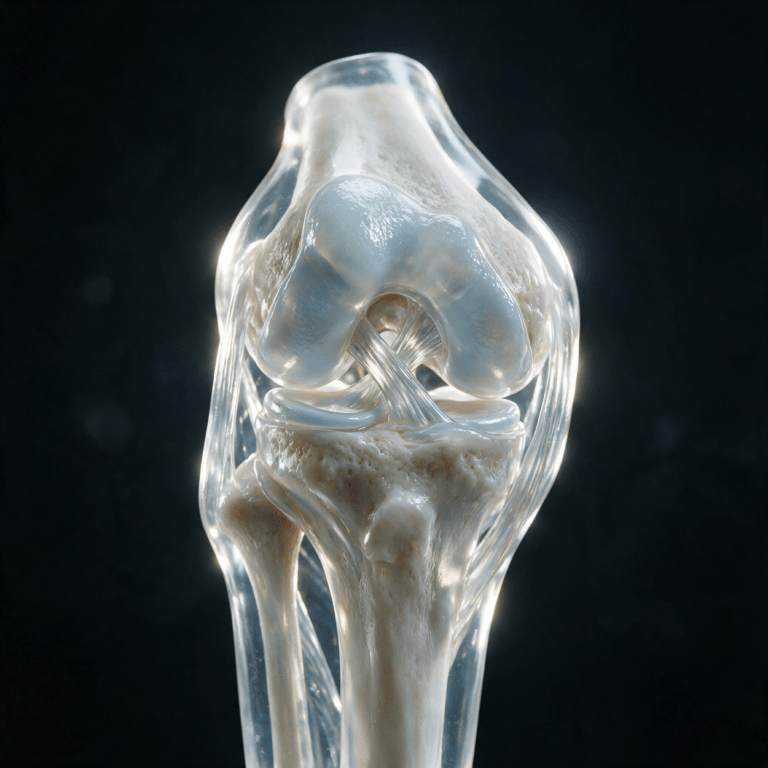
Sports medicine is the specialty where the banking conversation arises most naturally. Patients are often young, healthy, and motivated to protect physical function over a long horizon, and they already understand PRP and biologic approaches, so the conceptual distance to banking is short. Two state frameworks bear directly on the specialty: Florida SB 1768 has […]
What the Post-Thaw Viability Report Means and Why Florida SB 1768 Requires It

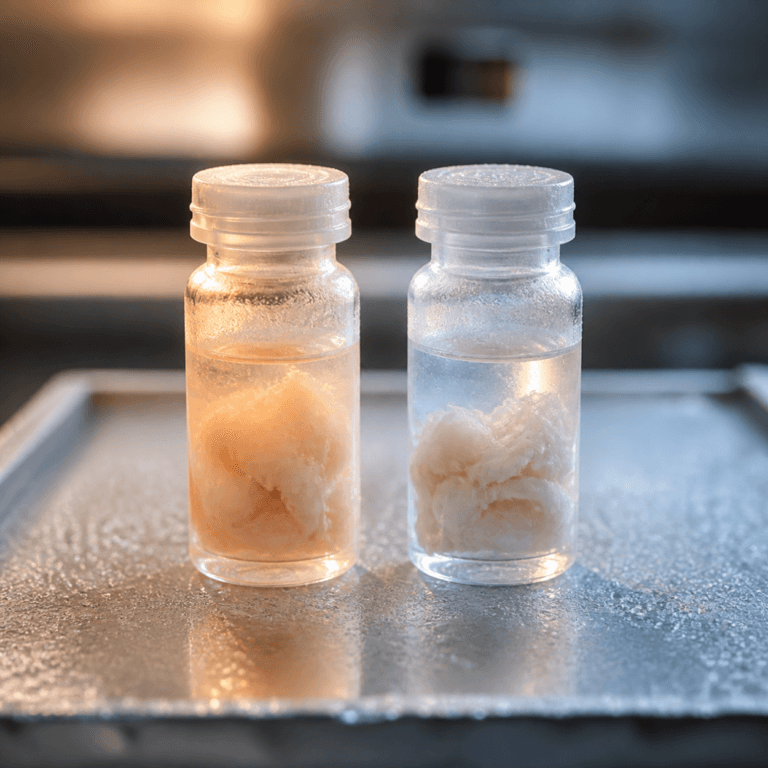
Florida SB 1768 requires that before stem cells are used in a patient, the physician receive and review a post-thaw viability analysis report from the accredited facility. It is one of the most operationally specific obligations in the statute, and it is frequently misunderstood as a one-time formality rather than a per-use prerequisite. What follows […]
Chain of Custody for Adipose Tissue: What Physicians Must Document from Harvest to Storage

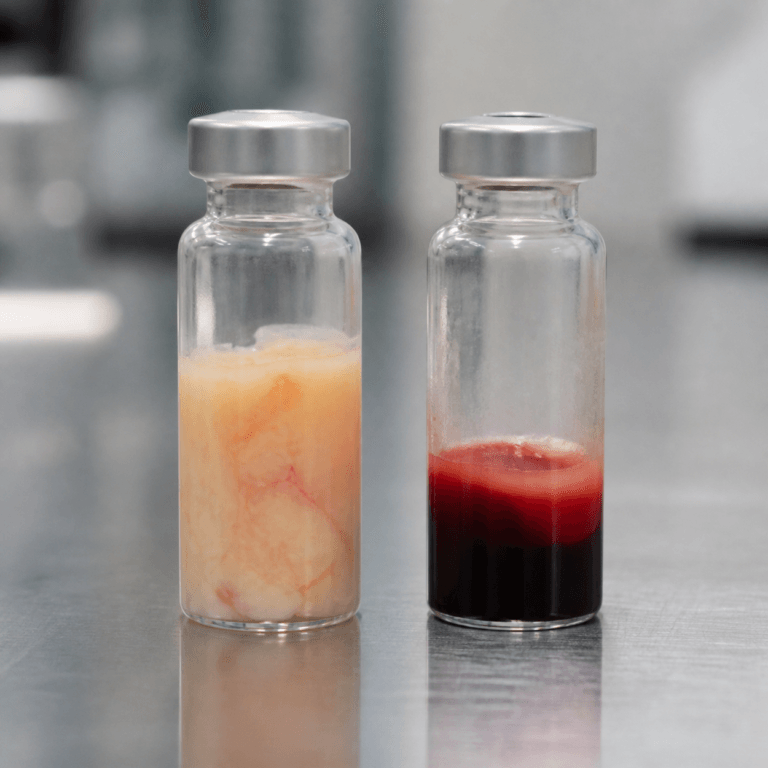
Chain of custody is what turns a banked sample into a usable asset. A unit of adipose tissue that cannot be traced, with documentary certainty, from a specific patient through harvest, transfer, processing, and storage is a unit that a trial sponsor or treating physician may be unable to accept, regardless of how well it […]
The Physician’s Guide to Expanded Access: How to Submit a Single-Patient IND Application

When a patient with a serious or life-threatening condition cannot enroll in a clinical trial, FDA’s expanded access framework is the pathway that can authorize use of an investigational therapy outside a trial. For cell therapies specifically, the single-patient IND is the most commonly used route, and it is also the downstream mechanism that can […]
FDA’s January 2026 CMC Flexibility for Cell and Gene Therapies: What It Means for the ADSC Pipeline

On January 11, 2026, the FDA released final guidance describing a flexible approach to chemistry, manufacturing, and controls requirements for cell and gene therapy products being developed toward a biologics license application. CMC has long been one of the practical bottlenecks slowing cell therapies from late-stage trials to approval, so the guidance is worth understanding […]
Heart Failure and Adipose Stem Cells: The Phase II Evidence Physicians Are Watching

Heart failure is a chronic, progressive condition affecting millions of Americans, and despite guideline-directed medical therapy, a substantial share of patients remain symptomatic. That has driven investigational interest in mesenchymal stem cell therapy on the basis of paracrine cardioprotective mechanisms. The most-cited adipose-derived program, the Danish CSCC_ASC trial (NCT03092284), is a useful anchor for understanding […]
ALS and Adipose-Derived Stem Cells: The Intrathecal MSC Trial at Mayo Clinic

Amyotrophic lateral sclerosis is a fatal, rapidly progressive neurodegenerative disease, and the speed of that progression creates the most time-sensitive banking consideration in regenerative medicine. Most patients lose the functional capacity for an outpatient harvest procedure within roughly 18 to 36 months of diagnosis. Mayo Clinic’s Phase 2 trial, NCT03268603, is studying intrathecal autologous adipose-derived […]
Crohn’s Disease and Adipose-Derived Stem Cells: What the Darvadstrocel Story Tells GI Physicians

Darvadstrocel (cx601, marketed as Alofisel) was the first allogeneic adipose-derived mesenchymal stem cell therapy to receive central marketing authorization from a major regulator, when the European Commission approved it in 2018 for complex perianal fistulas in Crohn’s disease. It is also a cautionary case: the confirmatory Phase 3 trial failed in 2023, and the EU […]
Hope Biosciences and the TBI Trial: Autologous Adipose MSCs for Chronic Brain Injury (NCT05951777)

Chronic traumatic brain injury has no FDA-approved disease-modifying or regenerative therapy, leaving treatment largely supportive and rehabilitative. Hope Biosciences’ Phase 2 trial, NCT05951777, is studying the company’s autologous adipose-derived mesenchymal stem cells in chronic TBI against a saline placebo. The banking question this raises is different from the one in a rapidly progressive disease: many […]