How to Talk to Your Doctor About Adipose Tissue Banking: A Patient’s Conversation Guide

How to talk to your doctor about adipose tissue banking: a patient's conversation guide

Most patients who are interested in adipose tissue banking will want to discuss it with their primary care physician, specialist, or functional medicine provider before booking, and many will encounter a physician who is not yet familiar with the banking framework, the regulatory structure, or the current state of the ADSC clinical trial pipeline. This […]

How L2 Bio Processes and Stores Your Patients’ Cells: What Providers Need to Know

How l2 bio processes and stores your patients' cells: what providers need to know

After the harvest, every step involving the patient’s tissue happens at L2 Bio’s US-based, FDA-compliant laboratory. L2 Bio receives the specimen, isolates and processes the adipose-derived stem cells, performs viability testing, cryopreserves the cells into a documented vial inventory, and manages long-term liquid nitrogen storage under current Good Tissue Practice regulations. The provider’s role ends […]

What Is Cryopreservation and How Is Tissue Viability Measured After Thawing?

What is cryopreservation and how is tissue viability measured after thawing?

One of the most important questions patients ask about adipose tissue banking is whether their tissue will still be biologically useful after years or even decades in storage. That question deserves a serious, science-based answer rather than reassurances without evidence. This guide explains how cryopreservation works at the cellular level, walks through how viability is […]

Adipose Tissue Cryopreservation Viability: What 80–91% Post‑Thaw Survival Really Means

Adipose tissue cryopreservation viability: what 80–91% post-thaw survival really means

If you have been researching adipose tissue banking, you have probably come across viability percentages like “80–91% post-thaw survival” and wondered what those numbers actually mean for you. Those figures come from peer-reviewed studies measuring how many adipose-derived stem cells (ADSCs) survive the cryopreservation process, and they represent some of the most encouraging data in […]

How Cryopreservation Works: The Science of Freezing and Storing Adipose Tissue

How cryopreservation works: the science of freezing and storing adipose tissue

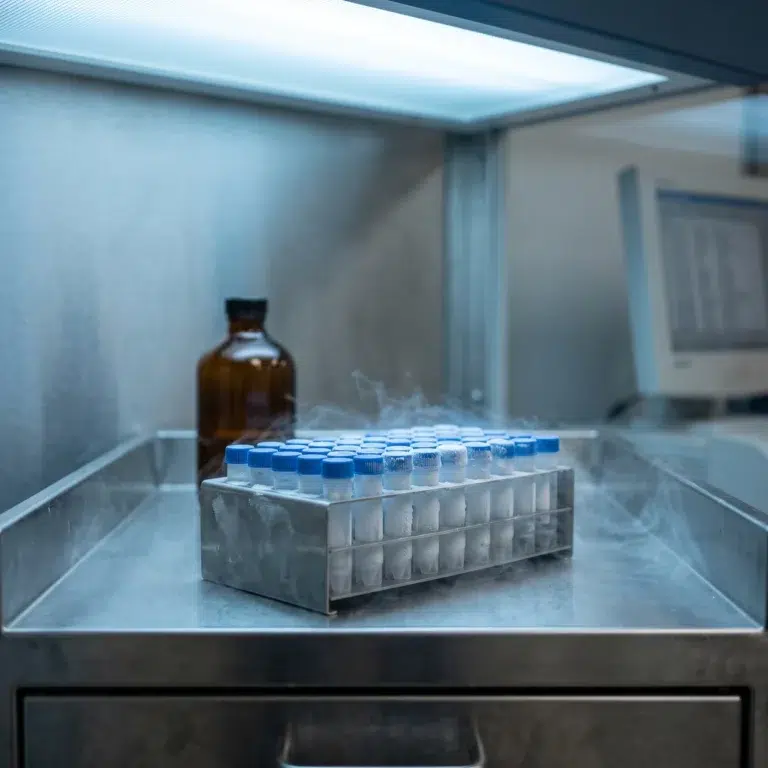
Cryopreservation is the scientific process that makes adipose tissue banking possible. Rather than simply freezing fat, cryopreservation uses protective agents and controlled cooling rates to preserve living cells for potential future use. This guide explains what happens at the cellular level during freezing, what protocols are used, what the published viability data shows, and what […]

How Does Adipose Tissue Cryopreservation Work?

How does adipose tissue cryopreservation work?

If you’re curious about what actually happens when adipose tissue is preserved for long-term storage, you’re asking the right question. Understanding the science behind cryopreservation helps you evaluate whether tissue banking aligns with your health planning goals. This guide walks you through the validated protocols, equipment, and quality control measures that make long-term tissue preservation […]

DISCLAIMER

Disclaimer, use of Outside Content:
Save My Fat, LLC does not endorse nor confirm that any of the following content that originated outside of Save My Fat, LLC, in any format such as an article, white paper, study, clinical trial(s), or other publication, constitutes double‑blind studies with a placebo or without, FDA‑approved IND clinical trials, or is associated with any FDA‑cleared 510(k) device. Such outside content may be influenced by subjective insight from the authors, medical doctors, PhDs, commercial influence, or any other contributors to the relevant research or content.

Save My Fat, LLC does not claim that any such outside content utilizes Save My Fat products, services, or protocols, and notes that manufacturing processes, techniques, or treatment methods referenced in that outside content may vary drastically and may not be FDA compliant.

This information is intended for licensed medical professionals only and is provided for educational and informational purposes; it is not medical advice, diagnosis, or treatment and in no way should this information be distributed to or relied upon by the general public.