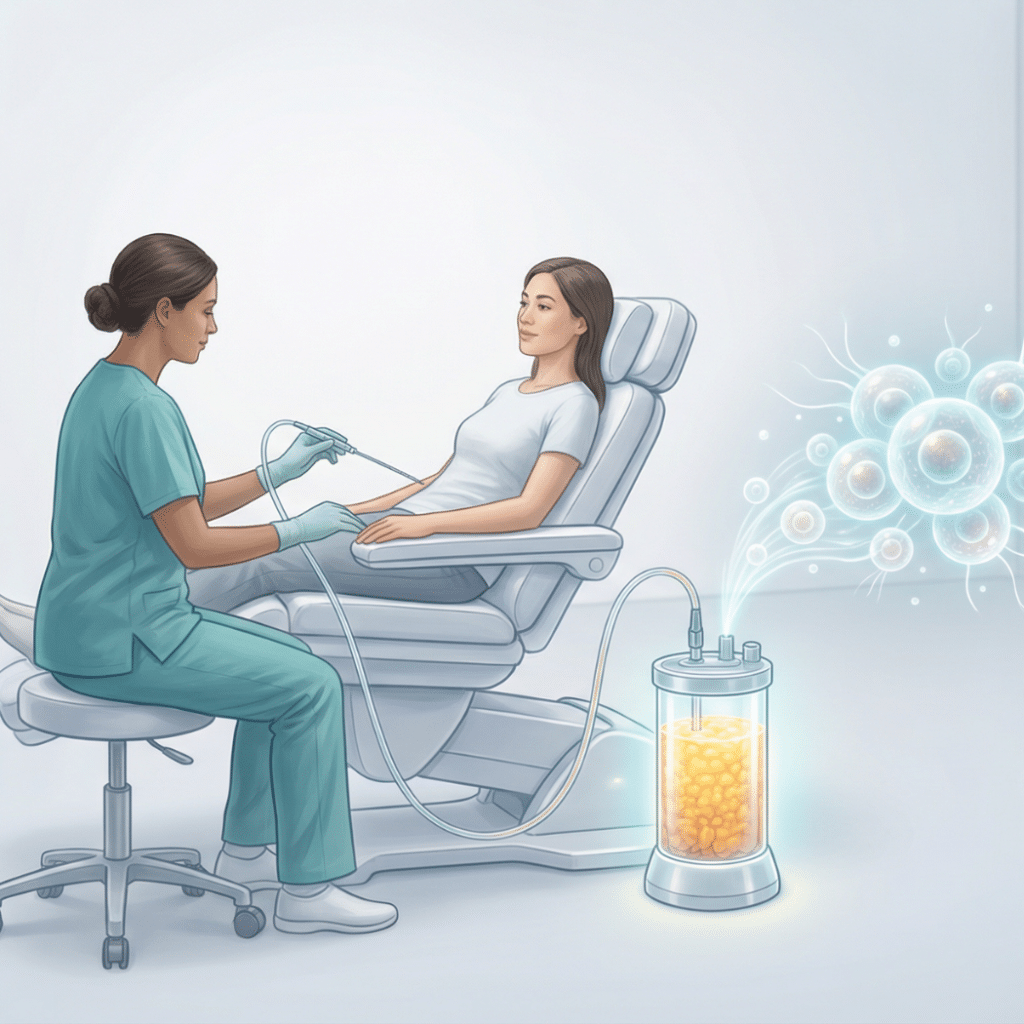
If you have been reading about regenerative medicine and wondering whether clinical trials could eventually involve your own stored tissue, you are not alone. This guide explains what clinical trials are, how they work across each phase, where adipose-derived cell research stands today, and how banked adipose tissue may or may not fit into future trial participation. Clinical trials are research studies, not guaranteed treatments, and banking tissue is a form of preparation, not a promise of access or benefit.
TLDR: Clinical trials are structured research studies that test whether medical interventions are safe and potentially effective, progressing through four phases before a product can reach FDA approval. Adipose-derived cells are currently being studied in over 150 registered trials worldwide across orthopedic, cardiovascular, neurological, and other applications, though most remain in early phases. Banking adipose tissue may create a preserved resource for future FDA-regulated opportunities, but it does not guarantee trial access, eligibility, or clinical benefit. Read on to learn how to evaluate and find legitimate trials, what to expect from participation, and what questions to ask your doctor.
Important Trial and Banking Disclaimer: Save My Fat does not provide FDA-approved treatments, cures, or clinical trials for any disease or medical condition. Clinical trials are scientific research studies, not standard medical care, and their outcomes are uncertain. Banking adipose tissue does not guarantee participation in or benefit from any clinical trial, Expanded Access program, Right to Try pathway, or future therapy. All content in this guide is for educational purposes only and does not constitute medical or legal advice. Patients must consult their own licensed healthcare professionals regarding all medical decisions.
You have probably seen headlines about “stem cell breakthroughs” or advertisements from clinics promising regenerative cures. Some of those claims are grounded in real science. Many are not. The challenge for patients is telling the difference, and that starts with understanding how clinical trials actually work. Trials are the mechanism through which the medical community determines whether a new approach is safe and potentially helpful. They are not shortcuts to treatment, and they are not marketing programs.
Getting this distinction right matters more than most people realize. Patients who confuse investigational research with proven therapy may spend money on unproven products, delay effective conventional care, or expose themselves to unnecessary risk. On the other hand, patients who understand the clinical trial landscape can make genuinely informed decisions about their health planning, including whether banking adipose tissue fits into their goals.
This guide will walk you through the fundamentals of clinical trials, explain the four phases, show you where adipose-derived cell research stands right now, and give you practical tools for searching ClinicalTrials.gov. You will also learn how banked tissue might, or might not, connect to future trial participation, what Expanded Access and Right to Try pathways involve, and what questions you should bring to your doctor before considering any form of participation. By the end, you will have a clearer picture of the realistic relationship between tissue banking and the clinical research process.
What Is a Clinical Trial?
A clinical trial is a scientific research study conducted in human volunteers. Its purpose is to answer specific questions about whether a medical intervention, such as a drug, device, or cell-based product, is safe and potentially effective for a particular use. Unlike standard medical care, which relies on treatments that have already been proven through this process, clinical trials test hypotheses under carefully controlled conditions where the outcome is still unknown.
Every clinical trial involves several key roles. A sponsor, which may be a pharmaceutical company, academic institution, or government agency, funds and oversees the research. An investigator, typically a physician, leads the study at each participating site. And participants, the patients or healthy volunteers who enroll, agree to follow the study’s procedures after providing informed consent.
In the United States, most clinical trials require oversight from both the FDA and an Institutional Review Board (IRB). The FDA oversees trial design and safety monitoring, while IRBs are independent committees that review the ethical aspects of research to protect participants. Participation is always voluntary. Patients can ask questions at any stage and may withdraw at any time without penalty.
The critical point to understand is that a clinical trial is research, not treatment. Outcomes are unknown, results are not guaranteed, and participation may involve receiving a placebo or standard care instead of the investigational product.
Phases of Clinical Trials Explained
Clinical trials progress through a series of phases, each designed to answer different questions about safety and potential effectiveness. Understanding these phases helps patients recognize that early research, while sometimes promising, is not the same as proven medicine.
Phase 1: Is It Safe Enough to Study Further?
Phase 1 trials are the first time an investigational product is tested in humans. The primary goal is to evaluate safety, determine appropriate dosing, and identify side effects. These studies typically enroll 20 to 100 participants and often represent a product’s earliest interaction with human biology. Phase 1 does not aim to prove whether a product works. It aims to establish whether it is safe enough to continue studying.
Phase 2: Does It Show Signs of Working?
Phase 2 trials begin looking at whether the intervention might produce a beneficial effect, while continuing to monitor safety closely. These studies enroll 100 to 300 participants who have the specific condition being studied. Researchers use defined outcome measures, such as pain scores, functional assessments, or laboratory markers, to look for preliminary signals of effectiveness. A positive Phase 2 result does not mean the product works. It means there is enough evidence to justify a larger, more definitive study.
Phase 3: Does It Work Better Than Existing Options?
Phase 3 trials are larger studies, often involving hundreds to thousands of participants, designed to confirm whether the product is safe and effective compared to a placebo or standard treatment. These trials generate the data that may support an FDA approval application. They are randomized, often double-blinded, and represent the most rigorous test a product faces before it can reach the market. Many products that look promising in Phase 2 fail to demonstrate clear benefit in Phase 3.
Phase 4: What Happens After Approval?
Phase 4 trials occur after a product has already received FDA approval and is available to patients. Their purpose is to monitor long-term safety, identify rare side effects that may not have appeared in smaller studies, and refine guidance on how the product should be used in specific populations.
Most regenerative medicine and adipose-derived cell trials for many conditions are still in early phases, primarily Phase 1 or Phase 2, with some reaching Phase 3 in limited indications. Early phase results may be encouraging, but they are not definitive proof of safety or benefit.
| Phase | Primary Goal | Typical Size | Key Question |
|---|---|---|---|
| Phase 1 | Safety and dosing | 20 to 100 participants | Is it safe enough to study further? |
| Phase 2 | Preliminary efficacy | 100 to 300 participants | Does it show signs of working? |
| Phase 3 | Confirm efficacy vs. standard care | Hundreds to thousands | Does it work better than alternatives? |
| Phase 4 | Post-market surveillance | Varies | What are the long-term effects? |
How Regenerative Medicine and Adipose-Derived Cells Are Being Studied
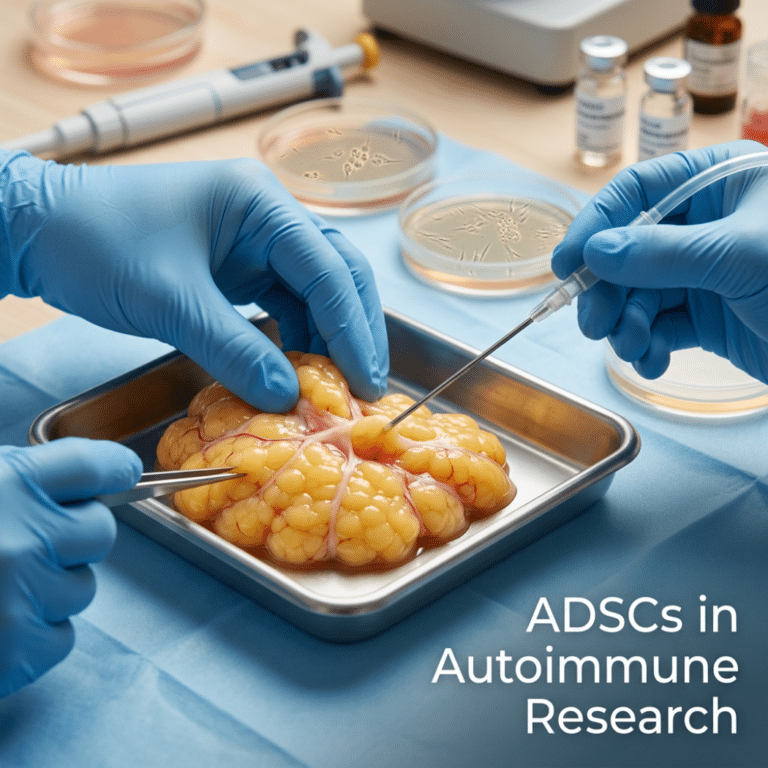
The clinical trial landscape for adipose-derived cells has grown substantially over the past decade. As of late 2024, approximately 150 or more clinical trials involving adipose-derived stem cells (ADSCs) have been registered worldwide, with an estimated 3,000 or more patients treated across published studies. This research is searchable through ClinicalTrials.gov, the public registry maintained by the National Institutes of Health.
The geographic distribution of these trials reflects a global research effort. Roughly 40% of registered trials are based in Europe, approximately 30% in East Asia, around 20% in North America, and the remaining 10% spread across other regions. Within the broader category of mesenchymal stem cell research, adipose tissue has become the second most common cell source, rapidly approaching bone marrow in frequency.
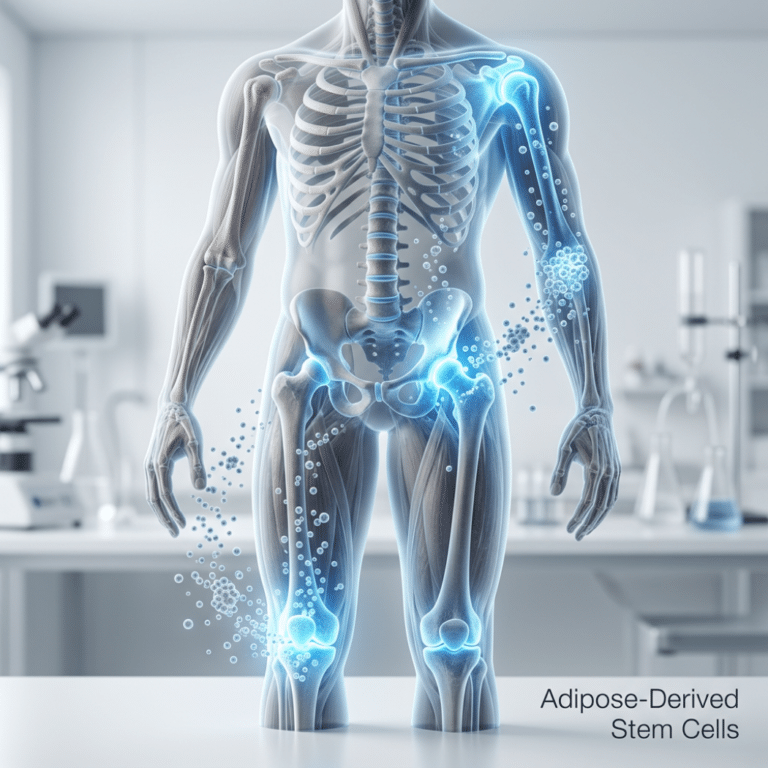
The conditions being investigated span multiple medical categories. Orthopedic and musculoskeletal applications, such as knee osteoarthritis, represent the largest share. Other areas of active research include gastrointestinal conditions such as perianal fistulas in Crohn’s disease, cardiovascular and ischemic conditions, neurological applications such as stroke and spinal cord injury, chronic wound healing and diabetic ulcers, and metabolic and inflammatory conditions. These represent investigational uses being studied under controlled conditions, not established treatments.
Trial results in this field are mixed. Some studies have reported encouraging signals, particularly in joint and orthopedic applications where Phase 3 data exists for knee osteoarthritis. Others have produced negative or inconclusive findings. A single positive study does not mean a therapy is proven, and the majority of early-phase trials do not ultimately lead to FDA-approved products. Only about 35% of completed mesenchymal stem cell trials have published their results, which means a significant portion of the data remains unreported.
Some adipose-derived products have received regulatory approvals in other regions, such as the European Union or parts of Asia, but this is not equivalent to FDA approval in the United States. Regenerative medicine trials help answer questions about what might work in the future. Banking adipose tissue today does not mean a specific therapy is already approved or available.
How to Read and Search ClinicalTrials.gov
ClinicalTrials.gov is a publicly accessible database where researchers register clinical studies. It is maintained by the U.S. National Library of Medicine and contains information on trials conducted in the United States and around the world. Understanding how to use this resource helps patients evaluate what research actually exists, rather than relying on marketing claims.
To search for adipose-derived cell studies, visit the site and enter keywords such as “adipose stem cells,” “adipose-derived mesenchymal cells,” or “stromal vascular fraction.” You can then filter results by recruiting status (such as “Recruiting” or “Not Yet Recruiting”), geographic location (filtering to the United States or a specific state), and trial phase.
Each trial listing provides key information that helps you understand what the study involves. Look for the title and brief summary, the condition or disease being studied, the intervention type (for example, “adipose-derived mesenchymal stem cells”), the phase and study design (randomized versus non-randomized), eligibility criteria including age requirements and diagnosis, and contact information for study coordinators.
However, a listing on ClinicalTrials.gov does not mean the product is safe, that the product has FDA approval, or that the trial is appropriate for any given patient. Registration simply means the study has been documented. Participation always requires evaluation by the trial team and a discussion with the patient’s own physician. Patients should never enroll based on a listing alone.
Eligibility, Risks, and Responsibilities in Clinical Trials
Every clinical trial has specific eligibility criteria that determine who can participate. Inclusion criteria describe the characteristics a patient must have, such as a specific diagnosis, age range, or disease severity. Exclusion criteria identify factors that disqualify participation, such as certain medications, co-existing conditions, or recent surgeries. These criteria exist to protect patient safety and to ensure that results can be meaningfully interpreted.
Before enrolling, every participant goes through an informed consent process. This involves a written document that explains the study’s purpose, procedures, potential risks, possible benefits, alternatives to participation, and the voluntary nature of enrollment. Patients must have the opportunity to ask questions and take time to decide. No one should feel rushed or pressured.
The risks of clinical trial participation are real and should be weighed carefully. Unknown side effects are always possible, especially in early-phase studies. There is a genuine possibility of receiving no benefit. Time and travel commitments can be substantial. In randomized trials, participants may be assigned to a placebo or standard-care group rather than the investigational product. Additionally, participants have responsibilities including attending scheduled visits, reporting side effects honestly, and following trial procedures.
Joining a trial is a serious decision that should involve a thorough conversation with a personal physician. Trials can offer access to investigational options not otherwise available, but they are not designed as guaranteed treatments or cures.
Where Banked Adipose Tissue Fits In
One question patients often ask is whether tissue they have already banked could be used in a future clinical trial. The concept is straightforward: some future trials or programs may allow or prefer the use of a patient’s own previously stored tissue as a starting material, rather than requiring fresh collection at the time of enrollment.
However, the practical reality is more complex. Many current trials have their own collection and processing protocols, and they may not accept previously banked tissue. Whether banked tissue can be used depends on several factors: the specific design and inclusion criteria of a given trial, whether the manufacturing process is compatible with the stored tissue format, the regulatory approvals governing the intended use, and the policies of the trial sponsor and investigator.
There are potential advantages to having tissue already collected and stored. In some future settings, it could reduce the need for an additional harvesting procedure if a trial, Expanded Access program, or approved therapy allows its use. But there are equally important limitations. No guarantee exists that any specific trial will accept banked tissue. No guarantee exists that a relevant trial will be available at the time a patient wants to use their tissue. And no guarantee exists that the tissue will meet the exact specifications required by a given protocol.
The most accurate way to think about it is this: banking adipose tissue today may create a preserved resource that could be considered if appropriate, FDA-regulated opportunities arise. It does not reserve a spot in any trial or pathway.
Expanded Access, Right to Try, and Other Pathways
Beyond traditional clinical trials, two additional pathways may allow certain patients to access investigational products under specific circumstances.
Expanded Access, sometimes called compassionate use, is designed for patients with serious or immediately life-threatening conditions when no comparable or satisfactory alternative treatment exists. It requires agreement from four parties: the treating physician, the product sponsor, the FDA, and (in most cases) an IRB. If any party declines, access is not granted. Product sponsors frequently decline requests due to liability concerns, limited supply, or concern that expanded use could interfere with ongoing trials needed for approval. The Reagan-Udall Foundation Navigator offers free educational resources to help patients and physicians understand this process.
Right to Try is a separate federal law that allows certain patients with life-threatening diseases to request investigational products that have completed at least Phase 1 trials, without requiring FDA pre-authorization. However, it still requires physician and sponsor agreement, and sponsors are under no obligation to provide their product. The law removes one layer of oversight but does not create an entitlement to access.
In theory, banked autologous tissue could serve as a starting material if a product using that tissue exists under an Investigational New Drug (IND) application and all required parties agree. Understanding how the FDA classifies adipose-derived products under Section 361 and Section 351 pathways helps clarify why these requirements exist. In practice, these pathways are rare and tightly controlled. Banking tissue does not guarantee access to Expanded Access or Right to Try. These pathways depend on product availability, regulatory status, sponsor decisions, and patient-specific clinical factors.
Questions to Ask Your Doctor or a Trial Team
Before considering any clinical trial, patients should prepare thoughtful questions for both their personal physician and the trial’s research coordinator.
About the trial itself, ask: What phase is this trial, and what is its main goal? What is already known, and what remains unknown, about this investigational approach? What are the potential risks and possible benefits for someone in my specific situation? Is there a chance I will receive a placebo or standard care instead of the investigational product?
About logistics, ask: How many visits and tests are involved, and over what time frame? What costs does the sponsor cover, and what might I need to pay out of pocket? Will I need to travel, and how often?
About alternatives, ask: What are my non-trial options right now? What would my care look like if I choose not to join this trial?
About banked tissue specifically, ask: Does this trial allow the use of previously banked autologous adipose tissue, or does it require fresh collection under its own protocol? If banked tissue is allowed, are there specific storage, documentation, or processing requirements my banking provider would need to meet?
Bring these questions to both your own physician and the trial coordinator. No one should feel rushed or pressured into joining any research study.
Practical Steps for Making an Informed Decision
Clinical trials are structured research studies that help determine whether regenerative medicine approaches, including those involving adipose-derived cells, are safe and potentially helpful for specific conditions. Banking adipose tissue can be thought of as creating a future resource, not as a guarantee that a particular trial, program, or therapy will be available or will accept that tissue.
If you are considering how clinical trials fit into your health planning, start by visiting ClinicalTrials.gov to explore what research currently exists. Talk with your physician before reaching out to any trial team. Make sure you understand all risks, benefits, and time commitments before making any decision. Learn the difference between tissue preservation (what Save My Fat provides) and direct-to-consumer treatment claims from clinics that may not have FDA approval for their products.
Clinical trials and access pathways are tools that may or may not be appropriate for any individual. Banking tissue is one way to prepare for possibilities, but careful, medically guided decision-making remains essential.
Frequently Asked Questions About Clinical Trials and Banked Adipose Tissue
Q: Does banking my adipose tissue mean I will qualify for a clinical trial later?
A: No. Banking tissue preserves a biological resource, but trial eligibility depends on entirely separate factors. Each trial sets its own inclusion and exclusion criteria based on diagnosis, disease severity, age, medications, and other health conditions. A trial team evaluates whether you meet those criteria regardless of whether you have banked tissue. Having tissue stored does not create eligibility, nor does it guarantee that a relevant trial will exist when you want one.
Q: If I see a trial on ClinicalTrials.gov using adipose cells, can I just sign up?
A: Not directly. Contacting a study coordinator is the first step, but it begins an evaluation process, not an enrollment. The trial team will screen you against specific eligibility criteria, and your own physician should be involved in determining whether trial participation is appropriate for your situation. Many patients who express interest do not ultimately qualify, and that is a normal part of the process.
Q: Are clinical trials free?
A: The investigational product and trial-specific procedures are often covered by the sponsor, meaning participants do not pay for the experimental intervention itself. However, routine medical care, travel expenses, and time away from work typically are not covered. Some trials offer stipends for travel, but this varies. Always confirm the financial details with the study coordinator before enrolling.
Q: Are stem cell trials safe?
A: Clinical trials are designed with safety as a primary concern, particularly in Phase 1 where safety is the entire focus. IRBs review protocols for ethical standards, and the FDA monitors safety data throughout the trial. That said, risks always exist, especially in early phases where side effects may not yet be fully understood. Published safety data for adipose-derived cell therapies has been generally favorable across multiple studies, but safety evidence is still evolving and no investigational product should be assumed risk-free.
Q: Can my doctor get my banked tissue released for a trial?
A: Release of banked tissue is technically possible but depends on multiple factors. These include the legal agreements governing your stored tissue, whether the trial’s protocol is compatible with previously banked material, whether the trial sponsor will accept it, and whether all regulatory requirements for that specific use are met. Your banking provider and the trial coordinator would need to work together to determine feasibility. It is not an automatic process.
Q: What if a trial is in another country?
A: International trials add significant complexity. Different countries have different regulatory standards, and a trial approved in one jurisdiction may not meet FDA requirements. Travel, follow-up care, and communication with the research team become logistically challenging. Patients should also be cautious about medical tourism scenarios that market unapproved treatments as “clinical trials” to attract paying patients.
Q: How do I avoid scams that pretend to be clinical trials?
A: Watch for these red flags: no IRB oversight or informed consent process, no listing on ClinicalTrials.gov or another credible registry, marketing language that promises cures or guaranteed results, and high upfront cash payments charged to patients for “study participation.” Legitimate clinical trials typically cover the cost of the investigational product and do not charge patients for the privilege of participating in research.
Q: If trials show good results, when will therapies be widely available?
A: The timeline from promising early data to FDA-approved, widely available therapy is often measured in years, sometimes a decade or more. Many investigational products that show positive signals in early phases do not ultimately receive approval. Even when Phase 3 trials succeed, the FDA review and approval process adds additional time. Patients should set realistic expectations and avoid assuming that today’s research headlines will translate into tomorrow’s treatments.
Q: Can I leave a trial if I change my mind?
A: Yes, always. Participation in any clinical trial is voluntary, and patients can withdraw at any time for any reason without penalty. The informed consent process makes this right explicit. If you experience side effects, feel uncomfortable, or simply change your mind, you are free to leave the study.
Q: Will I know if I received the investigational product or a placebo?
A: In many randomized trials, participants are “blinded,” meaning they do not know whether they received the active product or a placebo until the study concludes. This design helps ensure that results are objective and not influenced by expectations. Some trials offer open-label extension phases where all participants can receive the active product after the blinded period ends, but this is not universal.
Key Takeaways
Clinical Trials Are Research, Not Treatment
- Trials test hypotheses under controlled conditions with uncertain outcomes
- Participation is voluntary and may involve placebos or standard care
- Results are not guaranteed, and many investigational products never reach approval
Adipose-Derived Cells Are Under Active Investigation
- Over 150 trials registered worldwide studying adipose-derived stem cells
- Applications span orthopedic, cardiovascular, neurological, wound healing, and other categories
- Most trials remain in early phases (Phase 1 or 2), with limited Phase 3 data
ClinicalTrials.gov Is a Key Resource, Not a Guarantee
- Use it to search for studies by keyword, location, phase, and recruiting status
- Listing does not equal FDA approval, proven safety, or suitability for any specific patient
- Always involve your physician before contacting a trial coordinator
Eligibility Depends on Many Factors Beyond Banked Tissue
- Trials set strict inclusion and exclusion criteria based on diagnosis, health status, and other variables
- Having banked tissue does not create eligibility or guarantee a trial will accept stored material
- Trial compatibility with banked tissue depends on protocol design, sponsor policies, and regulatory requirements
Banking Tissue Is Preparation, Not a Promise
- Adipose tissue banking may create a preserved resource for potential future use
- No pathway, program, or clinical benefit is guaranteed by the act of banking
- Future use depends on evolving science, FDA decisions, product availability, and physician guidance
Informed Decisions Require Professional Guidance
- Discuss trial participation with a trusted physician who knows your medical history
- Complete the full informed consent process before agreeing to any study
- Ask questions about risks, logistics, costs, and what happens if you withdraw
Ready to Learn More About Adipose Tissue Banking?
You now have a clearer understanding of how clinical trials work, where adipose-derived cell research stands today, and how banked tissue may or may not connect to future research participation. The next step is to continue building your knowledge using reputable resources and professional guidance.
Explore these trusted sources to learn more about the clinical trial landscape:
- ClinicalTrials.gov for searching registered research studies
- FDA Expanded Access information for understanding compassionate use pathways
- Reagan-Udall Foundation Navigator for step-by-step Expanded Access guidance
- FDA consumer alerts on regenerative medicine for identifying red flags
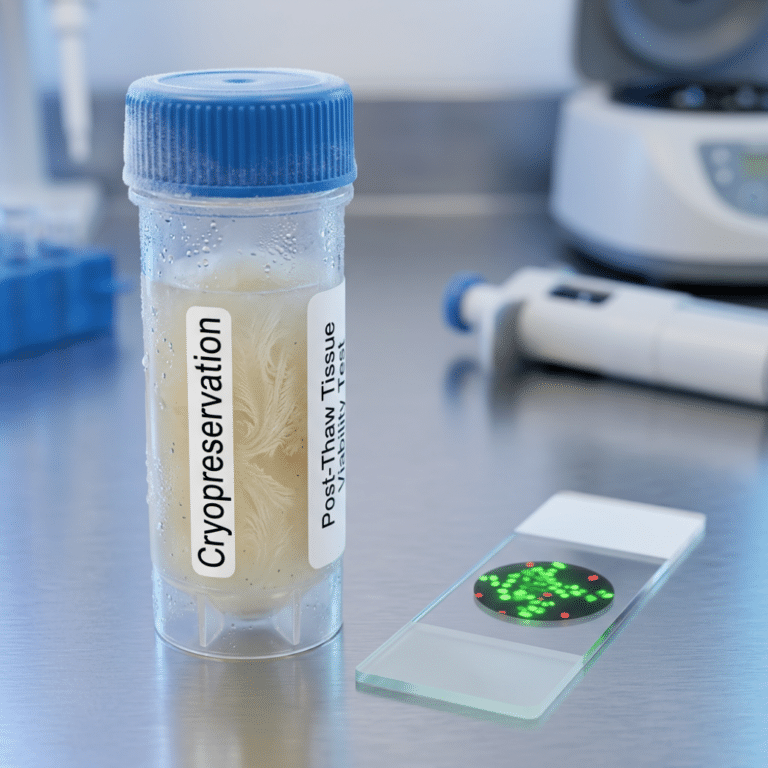
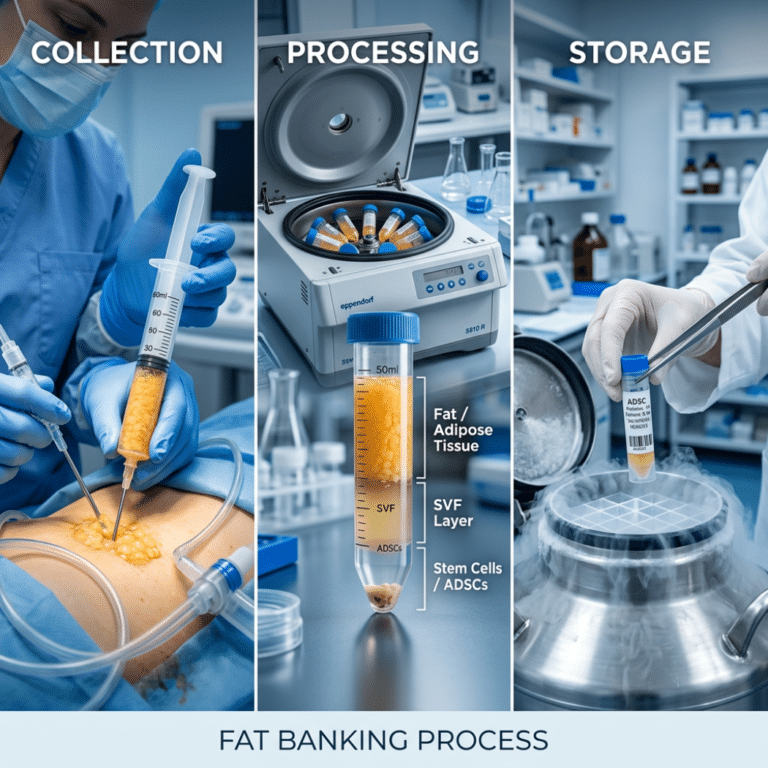
If you are curious about whether adipose tissue banking aligns with your health planning goals, Save My Fat helps individuals preserve their own adipose tissue through validated cryopreservation protocols for potential future opportunities. We focus on education, transparency, and honest communication about what banking can and cannot do.
Ready to learn more? Visit savemyfat.com or contact us to discuss whether tissue banking fits into your planning. Always discuss potential trial participation and tissue banking decisions with a licensed healthcare professional who understands your medical history.
Learn how stem cell banking works | Explore emerging research | About Save My Fat
Save My Fat Save My Fat helps individuals preserve their own adipose tissue through validated cryopreservation protocols for potential future opportunities that may arise as regenerative medicine science and FDA regulations evolve. Banking tissue does not guarantee eligibility, access, or clinical benefit from any future therapy, clinical trial, or medical program.
This article is for educational purposes only and does not constitute medical or legal advice. Always consult qualified professionals about your specific situation.
Last updated: March 2, 2026