
See what clinical trials are testing and how banking your cells now prepares you for future treatments.
Active Clinical Trials | U.S.-Based Labs | Family Members May Qualify
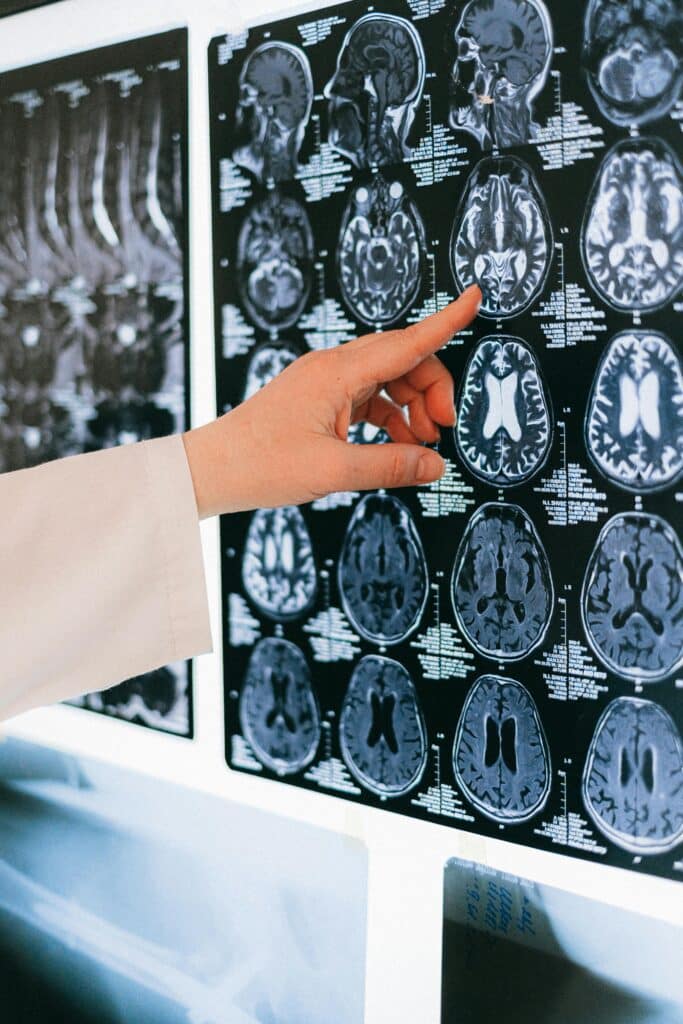
Researchers worldwide are studying adipose-derived stem cells for conditions with limited treatment options. Many trials are happening right now in the United States.
Banking your cells today positions you for access as new treatments become available. And under certain guidelines, your family members may also qualify.
Clinical trials happening today may become standard treatments tomorrow. Banking now means you are ready when the science catches up.
Under certain guidelines, first-degree relatives may use your banked cells. One decision today could benefit your spouse, children, or parents as new treatments emerge.
Researchers worldwide are studying adipose-derived stem cells for conditions with limited treatment options.
Many trials are happening right now in the United States. Banking your cells today positions you for access as new treatments become available.
Crohn’s disease causes chronic inflammation in the digestive tract that can lead to severe pain, malnutrition, and life-altering complications. One of the most difficult problems for Crohn’s patients is fistulas, which are abnormal tunnels that form between the intestines and other organs or the skin. These wounds often do not respond to standard medications and can require multiple surgeries.
Researchers are studying whether adipose-derived stem cells can help heal these fistulas by reducing inflammation and promoting tissue repair from the inside. L2 Bio is currently leading an FDA-approved Phase 2B clinical trial in the United States using fat-derived stem cells for Crohn’s disease. This trial allows patients to use their own banked cells or cells from a first-degree relative.
For patients who have tried multiple medications, biologics, and surgeries without lasting relief, this research represents a potential new direction. Banking your cells now means you could be eligible for this trial or future approved treatments as they become available.
Multiple sclerosis is an autoimmune condition where the body’s immune system attacks the protective coating around nerves, called myelin. This damage disrupts communication between the brain and the rest of the body, leading to symptoms like muscle weakness, vision problems, numbness, and difficulty walking. Over time, MS can become progressively disabling.
Current treatments focus on slowing the disease and managing symptoms, but they do not repair the damage already done. Researchers are now studying whether adipose-derived stem cells can do something different: help regulate the immune system to stop it from attacking myelin, and potentially support the repair of damaged nerve tissue.
Early studies suggest that fat-derived stem cells have strong immunomodulatory properties, meaning they may help calm the overactive immune response that drives MS. Clinical trials are underway to determine how effective this approach can be for patients who have not responded well to traditional treatments.
If you or a family member has MS, banking your cells now could position you for access to these treatments as the research advances.
Millions of people who recovered from COVID-19 still experience lingering symptoms months or even years later. These symptoms can include extreme fatigue, brain fog, shortness of breath, chest pain, and joint aches. For many, these issues have not improved with time or standard treatments.
Researchers believe that long COVID may involve persistent inflammation and immune system dysfunction that continues long after the virus is gone. Some studies suggest the virus may cause lasting damage to blood vessels and lung tissue that the body struggles to repair on its own.
Clinical trials are now testing whether adipose-derived stem cells can help reset the immune system and support repair of damaged tissues. The natural anti-inflammatory properties of fat-derived stem cells make them a promising candidate for addressing the widespread inflammation seen in long COVID patients.
This is an emerging area of research with trials launching in the U.S. and internationally. Patients who have banked their cells will have the option to participate in eligible trials or access approved treatments as they become available.
Type 2 diabetes affects how the body processes blood sugar, leading to chronically elevated glucose levels that can damage organs, nerves, and blood vessels over time. Many patients manage the condition with medication, insulin, and lifestyle changes, but these approaches do not address the underlying dysfunction.
Researchers are exploring whether adipose-derived stem cells can help the body regulate blood sugar more effectively. The theory is that stem cells may support the function of insulin-producing cells in the pancreas and reduce the chronic inflammation that contributes to insulin resistance.
Early clinical studies have shown promising results, with some patients experiencing improved blood sugar control and reduced need for medication. Larger trials are underway to confirm these findings and determine the best protocols for treatment.
For patients who struggle to manage their diabetes despite medication, or who want to reduce their dependence on insulin, stem cell therapy represents a potential new option. Banking your cells now preserves them for use in current trials or future approved treatments.
Osteoarthritis is the most common form of arthritis, affecting millions of adults. It occurs when the cartilage that cushions the joints breaks down over time, leading to pain, stiffness, and reduced mobility. The knee is one of the most commonly affected joints, and severe cases often lead to total knee replacement surgery.
Traditional treatments like pain medication, cortisone injections, and physical therapy focus on managing symptoms but do not rebuild lost cartilage or reverse joint damage. Many patients find that these approaches provide only temporary relief.
Researchers are studying whether adipose-derived stem cells can take a different approach by reducing inflammation inside the joint and potentially supporting cartilage health. Clinical trials have shown that stem cell injections may help reduce pain, improve function, and delay the need for surgery in some patients.
This is one of the most advanced areas of stem cell research, with treatments already available through qualified providers. Patients who bank their cells have a ready supply for multiple treatments over time, rather than needing a new harvest for each procedure.
Brain injuries caused by lack of oxygen, trauma, or other factors can have devastating and long-lasting effects. Patients may experience cognitive difficulties, memory problems, motor function issues, and personality changes. Traditional rehabilitation helps some patients improve, but many reach a plateau where further progress stalls.
Researchers are exploring whether adipose-derived stem cells can support the brain’s natural healing processes. Stem cells have been shown to reduce inflammation, promote blood vessel growth, and release factors that may help protect and repair damaged brain tissue.
Clinical trials are testing stem cell treatments for various types of brain injuries, including those caused by oxygen deprivation at birth, traumatic accidents, and stroke. Early results suggest that some patients experience meaningful improvements in function even years after their original injury.
For families affected by brain injury, this research offers hope where few options currently exist. Banking your cells now means you or a family member could access these treatments as they move from trials to approved therapies.
Hair loss affects millions of men and women and can have a significant impact on confidence and quality of life. While many treatments exist, most focus on slowing hair loss rather than regrowing thick, healthy hair. Medications like minoxidil and finasteride work for some patients but require ongoing use and often produce modest results.
Researchers are studying whether adipose-derived stem cells can take a different approach by reactivating dormant hair follicles. The theory is that stem cells and the growth factors they release can stimulate follicles that have stopped producing hair to start growing again.
Early clinical studies have shown promising results, with some patients experiencing noticeable regrowth after stem cell treatments. Trials are ongoing to refine the technique and determine which patients are most likely to benefit.
For patients who have tried other treatments without success, stem cell therapy represents a potential new option. Banking your cells now means you have a ready supply for treatment as these protocols become more widely available.
We track clinical trials from ClinicalTrials.gov and publish updates on the latest stem cell research. Follow our blog to stay informed as new studies launch and results are published.
Researchers worldwide are studying adipose-derived stem cells for conditions with limited treatment options.
Many trials are happening right now in the United States. Banking your cells today positions you for access as new treatments become available.
Rotator cuff injuries are one of the most common causes of shoulder pain and disability. The rotator cuff is a group of muscles and tendons that hold the shoulder joint together and allow it to move. Tears can occur from injury or gradual wear, causing pain, weakness, and limited range of motion.
Traditional treatment options include physical therapy, cortisone injections, and surgery. While surgery can repair torn tendons, recovery is often long and outcomes are not always predictable. Many patients continue to experience pain and weakness even after surgical repair.
Researchers are studying whether adipose-derived stem cells can help rotator cuff injuries heal more completely. The idea is that stem cells may reduce inflammation, promote tissue regeneration, and help repaired tendons become stronger and more durable.
Clinical trials have shown encouraging results, with some patients experiencing improved healing and reduced pain compared to traditional treatments alone. For patients facing rotator cuff surgery or those who have not fully recovered from previous repairs, stem cell therapy offers a potential new approach.
Erectile dysfunction affects millions of men and becomes more common with age. While medications like Viagra and Cialis can help manage symptoms, they do not address the underlying causes, which often involve damage to blood vessels and nerve tissue. Many men find that medications become less effective over time or cause unwanted side effects.
Researchers are studying whether adipose-derived stem cells can restore function by repairing damaged blood vessels and supporting nerve regeneration in the penis. Unlike medications that provide temporary relief, stem cell therapy aims to address the root cause of the problem.
Early clinical trials have shown promising results, with some patients experiencing improved function that persists long after treatment. Studies are ongoing to refine the technique and determine which patients are most likely to benefit.
For men who have not responded well to medications or who want a more lasting solution, stem cell therapy represents a potential new option. Banking your cells now means you have access to treatment as these protocols become more widely available.
Stroke is a leading cause of long-term disability. When blood flow to the brain is interrupted, brain cells die within minutes, often leaving survivors with lasting difficulties in movement, speech, memory, and cognition. Traditional rehabilitation can help patients recover some function, but many reach a point where further improvement seems impossible.
Researchers are studying whether adipose-derived stem cells can help the brain continue healing even months or years after a stroke. Stem cells may reduce ongoing inflammation, promote the growth of new blood vessels, and release factors that support the survival and function of remaining brain cells.
Clinical trials have shown that some stroke patients experience meaningful improvements in motor function, speech, and quality of life after stem cell treatment. These improvements have been seen even in patients who were told they had reached their maximum recovery potential.
For stroke survivors and their families, this research represents hope for continued progress. Banking your cells now positions you to access these treatments as they advance through trials and toward approval.
Chronic obstructive pulmonary disease, or COPD, is a progressive lung condition that makes it increasingly difficult to breathe. It is often caused by long-term exposure to cigarette smoke or other irritants. Symptoms include shortness of breath, chronic cough, and frequent respiratory infections. Over time, COPD can severely limit daily activities and quality of life.
Current treatments focus on managing symptoms and slowing progression, but they cannot repair the lung damage that has already occurred. Many patients find that their condition continues to worsen despite medication, oxygen therapy, and other interventions.
Researchers are studying whether adipose-derived stem cells can reduce lung inflammation and support repair of damaged tissue. The anti-inflammatory properties of fat-derived stem cells make them a promising candidate for addressing the chronic inflammation that drives COPD progression.
Clinical trials are underway to determine how effective stem cell therapy can be for COPD patients. For those who have exhausted traditional treatment options, this research offers a potential new direction. Banking your cells now means you could access these treatments as they become available.
Chronic kidney disease affects millions of people and can progress to kidney failure, requiring dialysis or transplantation to survive. The kidneys filter waste from the blood, and when they stop working properly, toxins build up throughout the body. Current treatments focus on slowing progression and managing complications, but they cannot restore lost kidney function.
Researchers are studying whether adipose-derived stem cells can help protect remaining kidney function and potentially support repair of damaged tissue. The theory is that stem cells may reduce inflammation, improve blood flow to the kidneys, and release factors that help kidney cells survive and function better.
Early clinical studies have shown promising results, with some patients experiencing slowed disease progression and improved kidney function markers. Larger trials are underway to confirm these findings and determine which patients are most likely to benefit.
For patients with chronic kidney disease who want to delay or avoid dialysis, stem cell therapy represents a potential new option. Banking your cells now preserves them for use in current trials or future approved treatments.
Autism spectrum disorder affects how people communicate, interact, and process the world around them. While many individuals with autism lead fulfilling lives, others face significant challenges with behavior, communication, and daily functioning. Current treatments focus on behavioral therapy and support, but there are limited medical options for addressing the underlying biology of the condition.
Researchers are exploring whether inflammation in the brain plays a role in autism symptoms and whether adipose-derived stem cells can help reduce that inflammation. The theory is that calming neuroinflammation may improve behavior, communication, and cognitive function in some individuals with autism.
Early clinical studies have shown that some patients experience improvements in social interaction, communication, and behavior after stem cell treatment. Research is ongoing to understand which patients are most likely to benefit and what protocols work best.
For families affected by autism, this research represents a potential new direction. Banking cells now means you could access these treatments for yourself or a qualifying family member as the research advances.
Diabetic foot ulcers are a serious complication of diabetes that can lead to infection, hospitalization, and amputation. These wounds develop when nerve damage and poor circulation prevent the body from healing normally. Even small cuts or blisters can become dangerous ulcers that refuse to close despite months of treatment.
Standard wound care includes keeping the wound clean, removing dead tissue, and managing infection. But for many patients, these approaches are not enough. Wounds that do not heal put patients at risk for bone infection and amputation.
Researchers are studying whether adipose-derived stem cells can help these stubborn wounds finally close by promoting blood vessel growth, reducing inflammation, and stimulating tissue regeneration. Early clinical studies have shown that stem cell treatment can significantly improve healing rates in diabetic foot ulcers that have not responded to conventional care.
For patients facing the possibility of amputation, this research offers hope. Banking your cells now means you have a resource available if you or a family member develops a wound that will not heal.
Our network is built with providers and laboratory partners with decades of experience in regenerative medicine.
Many of our partners are globally recognized as industry leading professors and researchers.
orthopedic surgeon and sports medicine specialist
Owner of Regenevada and Professor at UILC
Board-Certified General, Vascular & Cosmetic Surgeon
Whether you are ready to bank your stem cells or want to offer this service in your practice, we are here to guide you.
Your best health starts with one decision.
Add a powerful service to your practice.
Many are still in clinical trials. Some orthopedic and wellness applications are available today through qualified providers.
Possibly. Patients with banked cells may be eligible. L2 Bio is actively recruiting for its FDA-approved Crohn’s disease study.
Under certain guidelines, first-degree relatives may qualify. Eligibility depends on the specific treatment.
Your stem cells decline as you age. Banking now preserves them at peak potency for future treatments.
One decision today could give you access to treatments that do not exist yet.


Disclaimer, use of Outside Content:
Save My Fat, LLC does not endorse nor confirm that any of the following content that originated outside of Save My Fat, LLC, in any format such as an article, white paper, study, clinical trial(s), or other publication, constitutes double‑blind studies with a placebo or without, FDA‑approved IND clinical trials, or is associated with any FDA‑cleared 510(k) device. Such outside content may be influenced by subjective insight from the authors, medical doctors, PhDs, commercial influence, or any other contributors to the relevant research or content.
Save My Fat, LLC does not claim that any such outside content utilizes Save My Fat products, services, or protocols, and notes that manufacturing processes, techniques, or treatment methods referenced in that outside content may vary drastically and may not be FDA compliant.
This information is intended for licensed medical professionals only and is provided for educational and informational purposes; it is not medical advice, diagnosis, or treatment and in no way should this information be distributed to or relied upon by the general public.