
Regenerative medicine is generating tremendous interest, but the gap between legitimate science and aggressive clinic marketing has never been wider. This guide breaks down the differences between adipose tissue banking and stem cell treatment clinics, explains how the FDA regulates each, and gives you tools to protect yourself. By the end, you will understand regulatory pathways, recognize red flags, and know what questions to ask.
TLDR: Adipose tissue banking preserves your own fat tissue for potential future use in FDA-regulated clinical trials, Expanded Access programs, or approved therapies. Stem cell treatment clinics often market unapproved products for disease treatment without required FDA authorization. Understanding this distinction protects your safety and finances. Federal courts have consistently ruled that processed adipose products require FDA oversight. Read on to learn the regulatory facts and make informed choices.
Important Disclaimer: Save My Fat does not provide FDA-approved treatments or cures for any disease. Banking adipose tissue today does not guarantee eligibility, access, or clinical benefit from any future therapy, clinical trial, or medical program. All content is for educational purposes only and does not constitute medical advice. Patients must consult their own licensed healthcare professionals regarding all medical decisions. Individual outcomes cannot be predicted or guaranteed. Read our full disclaimer.
You have probably seen advertisements from clinics promising stem cell injections can fix your knees, reverse chronic conditions, or restore youthful health. Maybe you have also heard about tissue banking and wondered how that fits in. The promises sound similar on the surface, but these two services operate under fundamentally different models, different regulatory requirements, and very different levels of patient protection.
The distinction matters. The FDA has issued hundreds of warning letters and pursued federal court actions against clinics marketing unapproved stem cell products. Patients have reported serious adverse events, including infections and vision loss, from treatments never proven safe or effective.
This guide covers what adipose tissue banking involves, how it differs from stem cell treatment clinics, what the FDA requires of each, and how to protect yourself. You will find comparison tables, a clinic assessment checklist, and clear next steps for informed decision-making rooted in facts rather than hype.
What Is Adipose Tissue Banking?
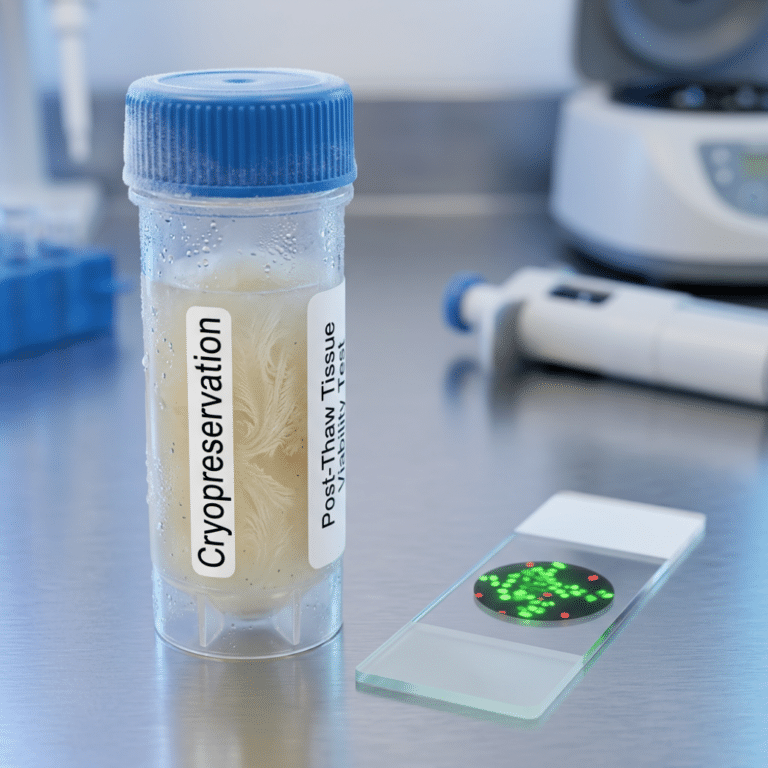
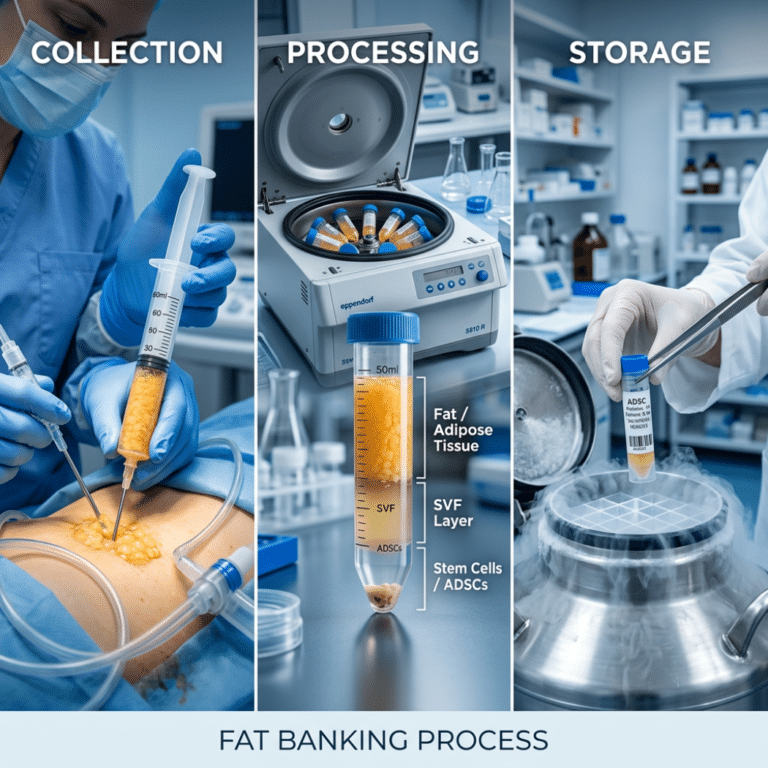
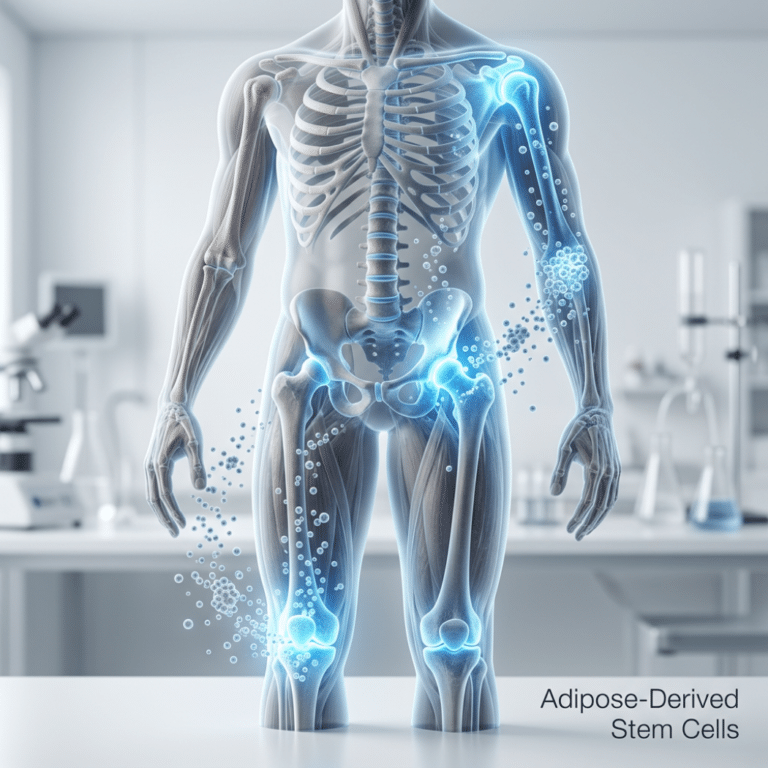
Adipose tissue banking involves collecting, processing, and cryopreserving (controlled freezing) a patient’s own fat tissue for potential future use. The tissue remains the patient’s property and can be accessed if legitimate medical opportunities arise through FDA-regulated pathways.
Save My Fat provides adipose tissue banking as a preservation service, not a treatment or therapy. The key distinction is that banking is about preparing for the future, not claiming to fix anything today.
What Banking Includes
A physician performs a minimally invasive collection procedure to obtain adipose tissue. That tissue is processed using validated protocols and stored long-term through cryopreservation at extremely cold temperatures. Banked tissue can potentially be accessed for future FDA-regulated clinical research, Expanded Access programs, or therapies that complete the FDA approval process.
What Banking Does Not Include
Banking does not involve injecting stem cells to treat diseases. It does not promise cures, guarantee future treatment access, or claim FDA approval for disease treatment. Tissue banking positions patients for future possibilities without delivering therapeutic outcomes today.
What Stem Cell Treatment Clinics Typically Market
Across the United States, hundreds of clinics market stem cell injections, exosome products, and related therapies directly to consumers for conditions including arthritis, back pain, neurological diseases, and more. Many of these products have not been proven safe or effective through required FDA clinical trials.
The FDA has stated clearly: the only FDA-approved stem cell products consist of blood-forming stem cells derived from umbilical cord blood, approved only for blood production disorders (FDA Consumer Alert on Regenerative Medicine). No adipose-derived stem cell products, exosome products, or SVF products are FDA-approved to treat any disease.
Many clinics use language designed to sound scientific while sidestepping regulatory requirements. Claims such as “FDA registered” (registration is not approval), “proven safe and effective” (without completed trials), or “minimal manipulation” (while performing enzymatic digestion) can mislead patients into believing products have regulatory clearance they do not have.
Side-by-Side: Banking vs. Treatment Clinics
Understanding the structural differences between tissue banking and treatment clinics is essential for making informed decisions.
| Factor | Adipose Tissue Banking (Save My Fat) | Stem Cell Treatment Clinics |
|---|---|---|
| Primary Service | Tissue preservation for future use | Stem cell injections for current conditions |
| Therapeutic Claims | None. Banking is a preservation service | Often claims to treat or reverse diseases |
| FDA Approval Status | Banking is a service, not an FDA-approved therapy | Products typically require but lack FDA approval |
| Patient Expectations | Future possibilities, no guarantees | Often implies immediate therapeutic benefit |
| Cost Model | One-time collection with annual storage fees | Per-treatment charges, often thousands per injection |
| Risk Disclosure | Transparent about limitations | May downplay risks or overstate evidence |
FDA Regulatory Framework: Section 361 vs. Section 351
The FDA classifies regenerative medicine products into two regulatory pathways based on how tissue is processed and used.
| Classification Element | Section 361 HCT/P | Section 351 Biological Product |
|---|---|---|
| Four Required Criteria | Minimal manipulation, homologous use, not combined with other articles, no systemic effect or autologous use | Fails to meet one or more Section 361 criteria |
| Clinical Trials Required | No (if all four criteria met) | Yes, must demonstrate safety and efficacy |
| Marketing Approval | No BLA needed | BLA required before legal marketing |
| Examples | Bone grafts, certain minimally processed adipose tissue | Enzymatically digested SVF, cultured cells, exosomes |
| Enforcement Risk | Warning letters for 21 CFR 1271 violations | Warning letters, injunctions, criminal prosecution |
Why Most Clinic Products Fall Under Section 351
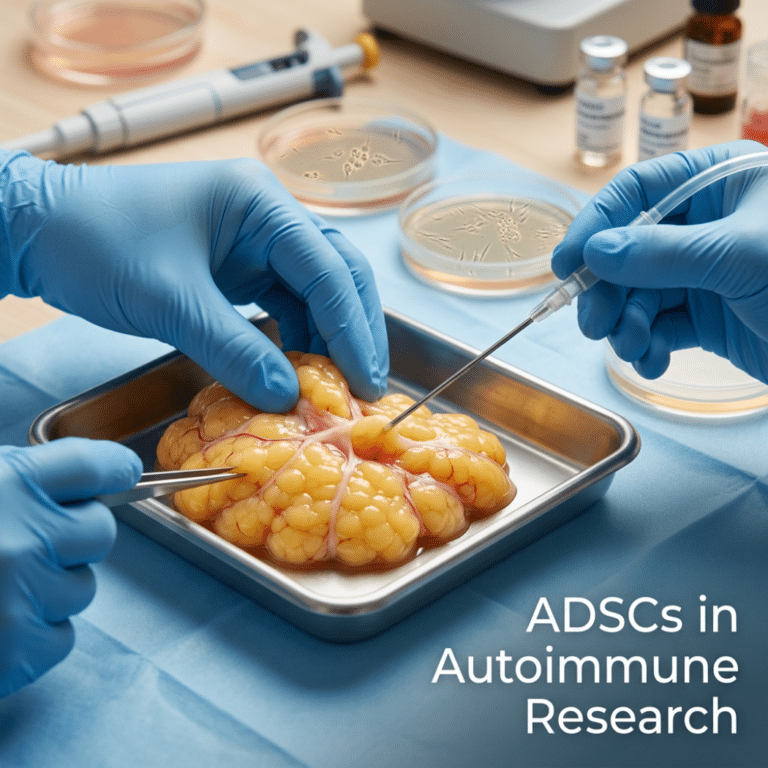
Most adipose-derived products marketed by clinics undergo enzymatic digestion to isolate the stromal vascular fraction (SVF). The FDA considers this “more than minimal manipulation,” meaning these products require an IND application, clinical trials, and a BLA before legal marketing for disease treatment.
In September 2024, the Ninth Circuit unanimously ruled that SVF produced by enzymatic digestion constitutes a “drug” under federal law and does not qualify for the same surgical procedure exemption. The Supreme Court declined to hear the appeal, leaving this ruling in place across multiple federal circuits (FDA Court Ruling on Stem Cell Clinics).
Red Flags for Unethical Stem Cell Marketing
Patients considering any regenerative medicine service should know the warning signs of non-compliant marketing. The following red flags do not necessarily mean a company is fraudulent, but they should prompt additional investigation and physician consultation.
| Red Flag | Why It Matters | What to Do |
|---|---|---|
| Claims to “cure” or “reverse” specific diseases | FDA prohibits disease-cure claims for unapproved products | Ask for clinical trial evidence and FDA approval documentation |
| “FDA registered” presented as equivalent to approved | Registration is a basic requirement, not product approval | Verify whether the specific product has FDA approval |
| Charges patients to participate in “clinical trials” | Legitimate trials cover research costs | Search ClinicalTrials.gov for the study registration number |
| Patient testimonials claiming guaranteed outcomes | Testimonials with cure claims violate FTC standards | Ask what percentage of patients do not improve |
| Pressure tactics or urgency language | Legitimate medical decisions should never be rushed | Take time to research and consult your physician |
Legal Status of Common Claims
Understanding which claims trigger FDA enforcement helps patients evaluate what they hear from clinics and marketing materials.
| Claim Type | Legal Status |
|---|---|
| “Our stem cell injections treat arthritis” | Unapproved disease claim requiring FDA approval the product lacks; subject to enforcement |
| “SVF is the patient’s own tissue, so no FDA oversight” | Incorrect per federal court rulings; three circuits rule SVF is a “drug” under FDCA |
| “FDA registered facility” | True but misleading; registration does not equal product approval or safety verification |
| “Exosome therapy” for any medical condition | No FDA-approved exosome products exist; subject to enforcement action |
Since December 2018, the FDA has sent over 400 letters to manufacturers and providers offering non-compliant stem cell products (FDA Statement on Enforcement). The FTC has also pursued actions against clinics making unsubstantiated health claims (FTC Health Products Compliance Guidance).
Patient Protection Strategies
Protecting yourself from misleading regenerative medicine marketing requires active research. Use these evidence-based strategies when evaluating any offering.
| Strategy | How to Implement |
|---|---|
| Verify FDA approval status | Call the FDA at 800-835-4709 or email [email protected] about specific products |
| Search ClinicalTrials.gov | Look for registered, IRB-approved studies with the treatment being offered |
| Consult your physician | Discuss any regenerative medicine option with your doctor before proceeding |
| Check for warning letters | Search the FDA Warning Letters database for the company |
| Report adverse events | If you experience problems, report to FDA MedWatch |
Legitimate Pathways for Accessing Investigational Therapies
For patients with serious conditions, legitimate pathways exist to access investigational products under proper oversight. None are marketing programs, and all require physician involvement.
Clinical Trials test whether investigational products are safe and effective under an IND application approved by the FDA. Patients can search for registered trials at ClinicalTrials.gov.
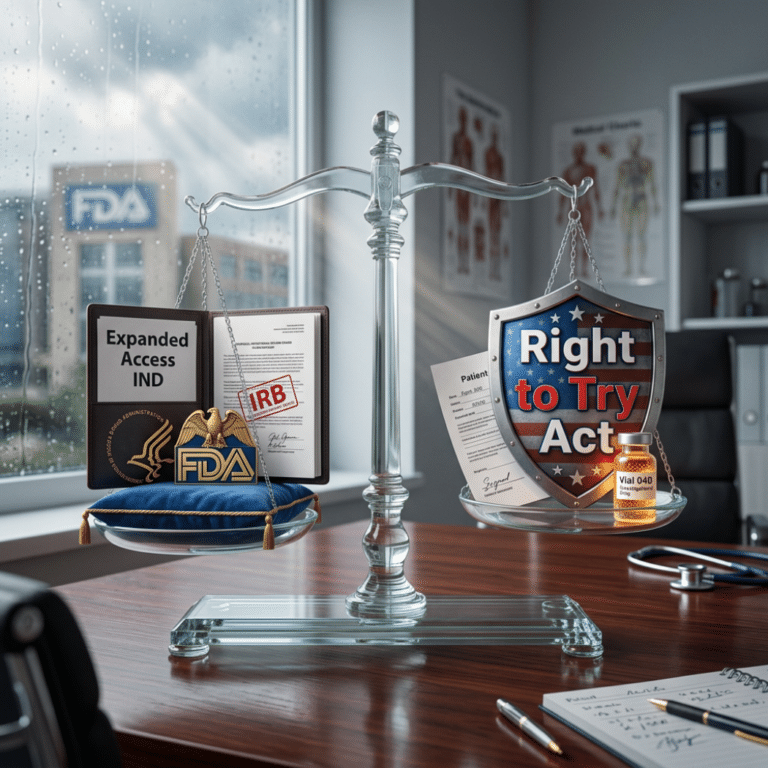
Expanded Access (compassionate use) allows certain patients with serious or life-threatening conditions to access investigational products when no comparable alternatives exist. This requires approval from the treating physician, product sponsor, FDA, and an IRB. The Reagan-Udall Foundation Navigator and FDA’s Expanded Access page provide guidance.
Right to Try allows patients with life-threatening conditions to access investigational drugs that have completed Phase 1 trials, without FDA involvement. The product sponsor must agree, and patients bear significant financial and medical risk.
Banking adipose tissue does not automatically connect patients to any of these pathways. Eligibility depends on future medical circumstances, FDA decisions, sponsor willingness, and physician involvement.
Questions to Ask Before Proceeding
Whether evaluating a tissue banking service or a treatment clinic, asking the right questions helps you make informed decisions. Use this checklist before committing to any service.
| Question | Why It Matters | Compliant Answer Sounds Like |
|---|---|---|
| Is this product FDA-approved for my condition? | Establishes regulatory status immediately | “No, but here are the FDA pathways available…” |
| What clinical trial evidence supports this? | Separates proven from experimental | Provides specific trial IDs or acknowledges evidence is preliminary |
| What are the risks? | Legitimate providers disclose risks honestly | Discusses infection, lack of benefit, financial cost, regulatory limitations |
| Does banking guarantee future treatment? | Tests honesty about limitations | “No. Future access depends on evolving science and your clinical situation” |
| Can I speak with my own doctor first? | Legitimate providers encourage consultation | “Absolutely. We recommend it” |
How to Decide: A Practical Framework
Step 1: Clarify Your Goals. Are you preserving tissue for potential future clinical trial participation, or responding to marketing that promised a specific outcome? Your answer shapes the appropriate path.
Step 2: Consult Your Physician. Discuss your interest with your primary care doctor or specialist before proceeding with any regenerative medicine service.
Step 3: Research Regulatory Status. Verify whether any product has required FDA approvals using FDA.gov, ClinicalTrials.gov, and the FDA Warning Letters database.
Step 4: Evaluate the Provider. Does the company make disease-cure claims? Do they encourage physician consultation? Transparency signals compliance.
Step 5: Understand Financial Commitments. Review all costs including storage fees and retrieval charges. Insurance typically does not cover investigational treatments or banking services. Save My Fat provides transparent pricing information.
Step 6: Set Realistic Expectations. Banking prepares you for future possibilities. It does not guarantee treatment access or clinical benefit.
Frequently Asked Questions
Q: What is the difference between tissue banking and stem cell treatment? A: Tissue banking preserves your adipose tissue for potential future use in FDA-regulated clinical research, Expanded Access programs, or approved therapies. Stem cell treatment clinics market injections of cell-based products for current conditions, often without required FDA approval. Banking is preparation; treatment claims require proven safety and efficacy. Learn more about how stem cell banking works.
Q: Is adipose tissue banking FDA-approved? A: Adipose tissue banking is a preservation service, not a product requiring FDA drug approval. However, any future medical use of banked tissue must comply with FDA regulations at that time. Products derived from adipose tissue that undergo more than minimal manipulation require IND applications and BLA before legal marketing for disease treatment.
Q: Are stem cell clinics regulated by the FDA? A: Yes. The FDA regulates regenerative medicine products including stem cell and exosome products. Federal courts have consistently upheld FDA authority to regulate processed adipose-derived products as drugs. Many clinics operate outside these requirements, which is why the FDA has pursued hundreds of enforcement actions.
Q: How can I tell if a stem cell clinic is legitimate? A: Legitimate providers are transparent about FDA status, do not make disease-cure claims for unapproved products, encourage physician consultation, and can point to registered clinical trials on ClinicalTrials.gov. Red flags include guaranteed outcomes, pressure tactics, and presenting “FDA registered” as equivalent to FDA-approved.
Q: Does banking my tissue mean I can get stem cell treatments? A: No. Banking does not guarantee eligibility, access, or benefit from any future therapy or clinical trial. Future access depends on evolving science, FDA decisions, clinical trial availability, and physician recommendations. Banking prepares you for potential opportunities without promising outcomes.
Q: Why choose banking over going to a treatment clinic now? A: Banking positions you for future legitimate opportunities without exposing you to the risks of unapproved treatments. Clinical trials, Expanded Access, and future approved therapies all require proper regulatory oversight. Visit the patients page to learn more.
Q: What regulatory pathways could banked tissue be used for? A: Banked tissue could potentially be accessed for clinical trials, Expanded Access programs, Right to Try pathways, or future FDA-approved therapies. Each pathway has specific eligibility requirements and does not guarantee access. Explore stem cell research areas currently being studied.
Q: What has the FDA done about non-compliant clinics? A: Since 2018, the FDA has issued over 400 regulatory letters to manufacturers and providers offering potentially non-compliant stem cell products. The agency has pursued permanent injunctions against clinics, and federal courts in three circuits have upheld FDA regulatory authority.
Q: Are exosome products FDA-approved? A: No. There are currently no FDA-approved exosome products for any medical use. The FDA has issued warning letters to companies marketing exosome products for disease treatment.
Q: Can banked tissue be used by family members? A: Under certain guidelines, banked adipose tissue may be available for first-degree family members. Eligibility depends on regulatory requirements and clinical circumstances. Visit the family page for details.
Q: How do I report a bad experience with a stem cell clinic? A: Report adverse events to the FDA’s MedWatch program. You can also call the FDA at 800-835-4709 or email [email protected]. Reporting helps regulators track safety concerns and take action.
Key Takeaways
Banking vs. Treatment: Different Services
- Adipose tissue banking preserves tissue for future FDA-regulated opportunities
- Treatment clinics market products for current disease treatment, often without FDA approval
- Banking makes no therapeutic claims; compliant treatment requires proven safety and efficacy
FDA Regulatory Framework Protects Patients
- Most clinic-marketed adipose products fall under Section 351 but lack required approvals
- Three federal circuit courts have upheld FDA authority over processed adipose products
- Over 400 enforcement letters issued since 2018
Red Flags Signal Non-Compliance
- Disease-cure claims for unapproved products violate FDA and FTC regulations
- “FDA registered” does not equal FDA-approved
- Charging patients for “clinical trial” participation is a major warning sign
Legitimate Pathways Exist
- Clinical trials, Expanded Access, and Right to Try are real pathways with proper oversight
- Banking tissue does not automatically connect patients to any pathway
Protect Yourself
- Verify FDA approval status before proceeding
- Consult your physician and search ClinicalTrials.gov
- Check the FDA Warning Letters database
- Report adverse events to FDA MedWatch
Ready to Learn More About Adipose Tissue Banking?
You now understand the critical differences between tissue banking and stem cell treatment clinics, the FDA regulatory framework, and how to protect yourself from misleading marketing.
Save My Fat helps individuals preserve adipose tissue through validated cryopreservation protocols for potential future use in FDA-regulated pathways. We focus on education, transparency about limitations, and positioning patients for legitimate opportunities. We do not make disease-cure promises or market unapproved treatments. Learn about our approach.
What we provide:
- Comprehensive consultation to discuss your goals and answer questions
- Transparent information about the banking process, costs, and realistic expectations
- Validated cryopreservation protocols for long-term tissue preservation
- Educational resources about FDA pathways, clinical trials, and patient safety
- Provider partnerships with physicians who perform the harvest procedure
Ready to learn more?
Contact us: https://savemyfat.com/contact-us/
Learn about our process: https://savemyfat.com/how-stem-cell-banking-works/
Banking adipose tissue is a preservation service for potential future opportunities, not a treatment or cure for any disease. Outcomes cannot be guaranteed. All medical decisions must be made with your licensed healthcare provider.
Save My Fat Adipose Tissue Banking for Future Regenerative Medicine Opportunities
Last updated: February 12, 2026