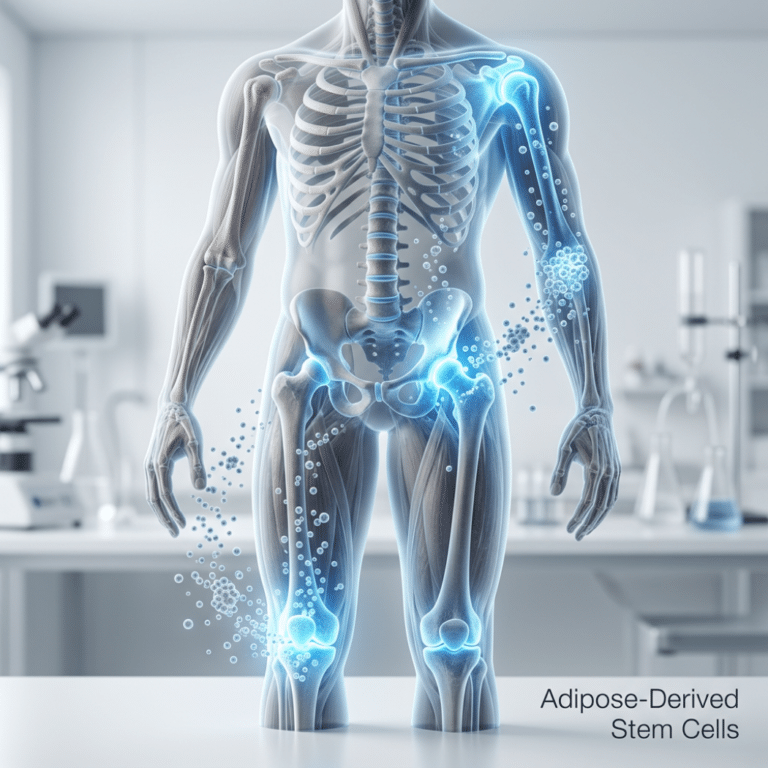
Adipose-Derived Stem Cells in Neurological Conditions: What Clinical Trials Are Investigating
Neurological conditions, including spinal cord injury, traumatic brain injury, stroke, Alzheimer’s disease, and multiple sclerosis, represent some of the most challenging areas of modern medicine. The central nervous system has limited capacity for self-repair after injury or disease, and treatment options for many of these conditions remain focused on symptom management rather than restoring lost function. Researchers are investigating whether the immunomodulatory and neuroprotective properties of adipose-derived mesenchymal stem cells (ADSCs) could offer new directions for these conditions. A Phase I clinical trial published in Nature Communications in 2024 by Mayo Clinic investigators reported that intrathecal delivery of autologous adipose-derived MSCs was well-tolerated in patients with traumatic spinal cord injury, with seven of ten participants showing functional improvement (Bydon et al., 2024).
TLDR Multiple clinical trials are studying adipose-derived mesenchymal stem cells for spinal cord injury, traumatic brain injury, stroke, Alzheimer’s disease, and multiple sclerosis. The most significant published evidence comes from a Mayo Clinic Phase I trial (10 patients) showing safety and potential functional improvement in spinal cord injury patients over 2 years of follow-up. Active Phase II trials include a randomized, placebo-controlled study for chronic TBI and a multicenter, double-blind trial for acute stroke. No ADSC product has FDA approval for any neurological condition. Save My Fat banks intact adipose tissue for potential future use in FDA-regulated pathways. Banking does not guarantee eligibility for any clinical trial, access to any therapy, or clinical benefit.
Important Disclaimer: Save My Fat does not provide FDA-approved treatments or cures for any disease, including neurological conditions. No adipose-derived stem cell product currently has FDA approval for the treatment of any neurological condition in the United States, including spinal cord injury, traumatic brain injury, stroke, Alzheimer’s disease, Parkinson’s disease, multiple sclerosis, or ALS. All adipose-derived cell therapies for neurological conditions remain investigational and unapproved. Banking adipose tissue today does not guarantee eligibility, access, or clinical benefit from any future therapy, clinical trial, or medical program. All content is for educational purposes only. Patients must consult their own licensed healthcare professionals regarding all medical decisions.
Why Neurological Conditions Are Uniquely Challenging
Unlike many other tissues in the body, the central nervous system (brain and spinal cord) has severely limited capacity for regeneration after injury or disease. Neurons that are damaged or lost are generally not replaced, and the formation of scar tissue (glial scarring) further inhibits recovery. This biological reality is what makes conditions like spinal cord injury, stroke, and neurodegenerative diseases so devastating and difficult to treat.
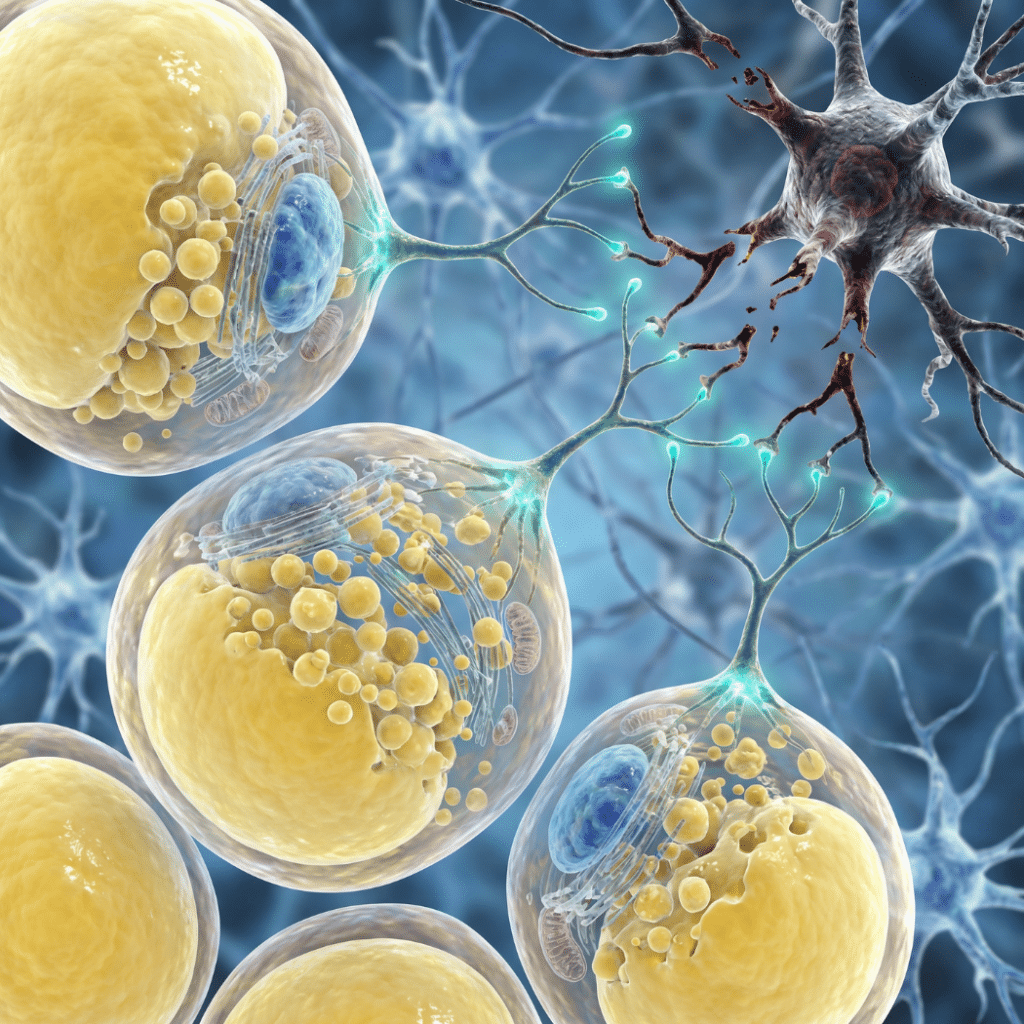
Adipose-derived MSCs have attracted research interest in neurology for several reasons observed in preclinical studies. ADSCs secrete brain-derived neurotrophic factor (BDNF), nerve growth factor (NGF), glial cell line-derived neurotrophic factor (GDNF), and other molecules that support neuron survival and growth in laboratory settings (Lopatina et al., 2011). In preclinical models, ADSCs have been shown to help reduce neuroinflammation (a key driver of secondary damage after acute brain and spinal cord injuries) by modulating microglial activation and reducing pro-inflammatory cytokine levels. Researchers are also investigating multiple delivery routes, including intravenous, intrathecal, and intracerebral, to determine how ADSCs or their secreted factors can best reach the central nervous system (Toyserkani et al., 2017).
Important: Preclinical neurological research frequently does not translate to human clinical benefit. The complexity of the human nervous system means that results observed in rodent models must be interpreted with significant caution. Only rigorous clinical trials can determine whether ADSCs offer meaningful benefit for neurological patients.
Spinal Cord Injury: The Strongest Published Evidence
Spinal cord injury (SCI) affects approximately 17,000 new individuals per year in the United States, with over 290,000 Americans currently living with an SCI. Treatment options for chronic SCI remain limited to symptom management and rehabilitation, making it an area of intense research interest.
Mayo Clinic Phase I Trial: Published Results
This Phase I clinical trial (NCT03308565), published in Nature Communications in April 2024, represents the most significant published evidence for adipose-derived MSCs in spinal cord injury to date.
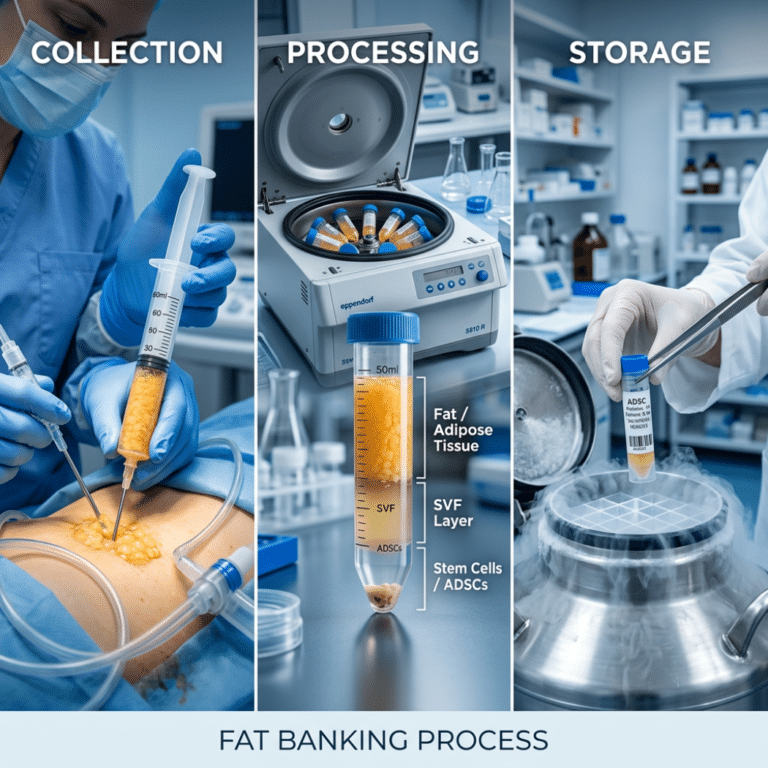
The study enrolled 10 patients with traumatic SCI classified as AIS grade A (complete loss of motor and sensory function) or B (some sensory preservation) at the time of injury. Autologous adipose-derived MSCs were harvested from patient fat tissue, culture-expanded to 100 million cells over four weeks, and administered via intrathecal injection (into the spinal fluid). The average time from injury to treatment was 11 months, and follow-up continued for 2 years (Bydon et al., 2024).
The study met its primary safety endpoint, with no serious adverse events observed. The most commonly reported side effects were headache and musculoskeletal pain (observed in 8 patients), all of which resolved with standard over-the-counter treatment. Seven of ten participants demonstrated improvement on the AIS scale, each moving up at least one grade from the time of injection. Improvements included increased sensation to pinprick and light touch, increased strength in muscle motor groups, and recovery of voluntary anal contraction (which aids bowel function). Three patients showed no improvement but did not worsen.
Critical context: This was a Phase I safety trial with no control group and only 10 participants. Motor and sensory improvements must be interpreted with caution given the absence of a placebo control. Some degree of spontaneous recovery can occur in SCI patients, particularly in the first year after injury. The study’s lead investigator noted that future research may show whether stem cells in combination with other therapies could improve outcomes for patients.
Ongoing Phase II Trial
Building on the Phase I results, a larger Phase II study (NCT04520373) is investigating autologous adipose-derived MSCs administered via intrathecal injection for traumatic SCI at Mayo Clinic, with expanded eligibility criteria.
Additional SCI Trials
Autologous AD-MSC for SCI (NCT05018793). A study evaluating the safety and efficacy of intrathecal injection of cultured autologous adult adipose-derived mesenchymal stem cells for spinal cord injury.
A 2025 network meta-analysis published in Frontiers in Cellular Neuroscience examined 18 randomized controlled studies of MSC transplantation for SCI and found that MSCs significantly improved motor scores, sensory scores, and activities of daily living. The analysis identified intrathecal injection as the optimal transplantation route, consistent with the delivery method used in the Mayo Clinic trial (Wang et al., 2025).
Traumatic Brain Injury: Phase 2 Trials Underway
Traumatic brain injury (TBI) affects approximately 2.8 million Americans annually, with chronic neurological disability affecting hundreds of thousands of survivors. Current treatment for chronic TBI is limited to rehabilitation and symptom management.
Hope Biosciences Phase 2a Trial
This Phase 2a, double-blind, randomized, placebo-controlled trial (NCT05951777) represents the most advanced adipose-derived MSC study for chronic TBI. Sponsored by Hope Biosciences and the University of Texas Health Science Center, Houston, the study randomizes adults aged 18 to 55 with documented closed head trauma and functional neurological damage (GOS-E score between 3 and 6, injury more than 6 months and up to 20 years prior) to receive three IV infusions of autologous HB-adMSCs (200 million cells per dose) over 6 weeks or normal saline as a comparator. Assessments include brain MRI with diffusion tensor imaging, PET imaging for neuroinflammation markers, Glasgow Outcome Scale-Extended, NIH Toolbox cognitive tests, plasma cytokine analysis, and quality of life measures, with follow-up at 6 months and 1 year post-infusion.
Hope Biosciences Phase 1 Trial
The earlier Phase 1, single-arm trial (NCT04063215) tested three infusions of autologous HB-adMSCs in adults with sub-acute or chronic neurological injury from TBI or hypoxic-ischemic encephalopathy, assessing safety through comprehensive laboratory monitoring and evaluating treatment effects through brain imaging, neurocognitive testing, and neuroinflammatory biomarkers over 1 year of follow-up.
European Multicenter Phase II Trial
A multicenter, double-blind, randomized, placebo-controlled, adaptive Phase II trial (NCT06163833) is evaluating IV MSC administration within 48 hours of severe TBI. The study uses a dose-finding design comparing 80 million versus 160 million MSCs versus placebo in 36 patients, with the primary endpoint of reducing plasma neurofilament light chain (NFL), a biomarker of brain axonal damage, at 14 days.
This trial is particularly notable because it targets the acute phase of TBI, when neuroinflammation and secondary brain damage are most active. The preclinical rationale includes evidence that MSCs can modulate the injury microenvironment, mitigate the progression of brain damage, and foster recovery of function through immunomodulatory and protective mechanisms. However, intravenous delivery carries a theoretical risk of cell aggregation in the lung microvasculature, and the trial protocol explicitly includes hemodynamic monitoring to address this concern.
Ischemic Stroke: Phase IIb Multicenter Trial
Stroke is the fifth leading cause of death in the United States and a leading cause of long-term disability. Approximately 795,000 Americans experience a stroke each year, and treatment options for post-stroke recovery remain limited.
AMASCIS-02 Trial
A Phase IIb, multicenter, double-blind, placebo-controlled clinical trial (NCT04280003) is evaluating early intravenous administration of allogeneic adipose-derived MSCs in acute ischemic stroke. The study protocol was published in BMJ Open in 2021 (de Celis-Ruiz et al., 2021).
The trial administers allogeneic (donor-derived) adipose-derived MSCs IV within 96 hours of stroke onset, using a double-blind, placebo-controlled, multicenter design across Spanish academic hospitals. Primary outcomes include safety assessment and modified Rankin Scale scores, with secondary outcomes measuring brain repair biomarkers at multiple time points. This trial builds on the earlier AMASCIS Phase IIa pilot study, which found that IV administration of allogeneic AD-MSCs within 2 weeks of ischemic stroke onset was safe at 24 months of follow-up. Although no efficacy endpoints reached statistical significance in the pilot (only 4 patients received active treatment), a trend toward improvement in NIHSS scores was observed in the treatment arm.
Chronic Stroke Research
NCT02813512. A clinical trial (NCT02813512) investigating human adipose-derived stem cells for the treatment of chronic stroke, evaluating safety and potential efficacy in patients with stable, long-term neurological deficits.
Alzheimer’s Disease: Emerging Clinical Trials
Alzheimer’s disease affects an estimated 6.9 million Americans aged 65 and older. Despite the recent approval of anti-amyloid antibody therapies (lecanemab, donanemab), these treatments provide only modest effects on cognitive decline, and neuroinflammation remains a significant contributor to disease progression.
A3D Trial: Registered January 2026
The newest ADSC trial for Alzheimer’s disease (NCT07367815), registered in January 2026, is a Phase I/II study evaluating CellREADY, an allogeneic adipose tissue-derived MSC product, in patients with mild to moderate Alzheimer’s disease. The dose-escalation design tests two dose levels (50 million and 100 million cells, administered IV) in patients aged 50 to 85 with AD diagnosis per NIA-AA 2011 criteria (MMSE scores between 14 and 26). Assessments include cerebral MRI and PET scanning, and the trial is being conducted at Toulouse University Hospital, France.
Autologous adMSCs for Early AD: Registered January 2025
A Phase 1b/2a open-label trial (NCT06775964) is evaluating the safety and tolerability of four IV infusions of autologous adipose-derived MSCs over a 13-week treatment period in 12 subjects clinically diagnosed with late pre-symptomatic or prodromal Alzheimer’s disease. The study targets neuroinflammation as a driver of AD progression, requiring patients to exhibit Alzheimer’s pathology and a peripheral inflammatory profile. Primary outcomes focus on safety, tolerability, and reduction of neuroinflammation, with secondary outcomes measuring brain activity changes and slowing of progression to clinical AD.
ADSC Exosomes for AD
A Phase I/II trial (NCT04388982) is evaluating exosomes derived from allogeneic adipose MSCs administered via nasal drip at three dose levels in patients with mild to moderate dementia due to Alzheimer’s disease. The nasal delivery route is being investigated as a potential method to bypass the blood-brain barrier.
Regulatory note: No MSC-based therapy has FDA approval for Alzheimer’s disease. No exosome product has FDA approval for any human use. The FDA has issued warnings about unapproved exosome products marketed to consumers.
Multiple Sclerosis: Active Phase 2 Trial
Multiple sclerosis (MS) is a chronic autoimmune condition affecting approximately 1 million Americans, characterized by immune-mediated destruction of the myelin sheath surrounding nerve fibers.
Hope Biosciences Phase 2 Trial (NCT06800404). An open-label, single-center study evaluating multiple doses of autologous HB-adMSCs for MS patients, following earlier Phase 1 data from the same research program.
The immunomodulatory properties of ADSCs are particularly relevant to MS research because the disease involves ongoing immune-mediated damage to the nervous system. Earlier Phase I/II studies of MSCs in MS patients (using various cell sources) reported no serious adverse events and observed increases in regulatory T cell proportions following infusion. However, these studies were small and open-label, and larger controlled trials are needed to determine clinical significance.
Overview of Active Neurological ADSC Trials
| Condition | Trial (ClinicalTrials.gov) | Phase | Cell Type | Key Design Feature | Status |
|---|---|---|---|---|---|
| Spinal Cord Injury | NCT03308565 | Phase I | Autologous AD-MSC (intrathecal) | Published in Nature Communications | Completed |
| Spinal Cord Injury | NCT04520373 | Phase II | Autologous AD-MSC (intrathecal) | Expansion of Phase I | Active |
| Spinal Cord Injury | NCT05018793 | Not specified | Autologous AD-MSC (intrathecal) | Safety and efficacy | Active |
| Chronic TBI | NCT05951777 | Phase 2a | Autologous HB-adMSC (IV) | Randomized, placebo-controlled | Active |
| Chronic TBI | NCT04063215 | Phase 1 | Autologous HB-adMSC (IV) | Open-label, safety focus | Active |
| Acute Severe TBI | NCT06163833 | Phase II | MSC (IV, within 48h) | Adaptive dose-finding, multicenter | Active |
| Acute Ischemic Stroke | NCT04280003 | Phase IIb | Allogeneic AD-MSC (IV) | Multicenter, double-blind, placebo-controlled | Active |
| Chronic Stroke | NCT02813512 | Not specified | Human AD-MSC | Safety and efficacy | Active |
| Alzheimer’s Disease | NCT07367815 | Phase I/II | Allogeneic AdMSC (IV) | Dose-escalation, MRI/PET monitoring | Active |
| Early Alzheimer’s | NCT06775964 | Phase 1b/2a | Autologous adMSC (IV) | Open-label, neuroinflammation focus | Active |
| Alzheimer’s (Exosomes) | NCT04388982 | Phase I/II | Allogeneic AD-MSC exosomes (nasal) | Nasal delivery, dose-escalation | Active |
| Multiple Sclerosis | NCT06800404 | Phase 2 | Autologous HB-adMSC | Open-label, multiple doses | Active |
Regulatory reminder: All of these trials involve investigational products that have not received FDA marketing approval. Registration on ClinicalTrials.gov does not indicate that a product is safe, effective, or FDA-approved.
Safety Considerations in Neurological Applications
Neurological applications of ADSCs involve additional safety considerations compared to peripheral uses (such as joint injections).
Intrathecal injection (into spinal fluid) was the delivery method used in the Mayo Clinic Phase I trial, which reported headache in 8 of 10 participants, consistent with typical post-lumbar puncture headache. No serious adverse events were observed. Intravenous infusion carries a theoretical risk of pulmonary embolism due to cell aggregation in the lung microvasculature, particularly with large cell doses. The European TBI trial protocol explicitly acknowledges this risk and includes hemodynamic monitoring. Intranasal delivery, used in the AD exosome trial, represents a less invasive route still in very early clinical investigation.
The 2017 systematic safety review of 70 adipose-derived cell therapy clinical studies (over 1,400 patients) found that serious adverse events were rare across all routes of administration. For studies involving systemic delivery, one case of pulmonary thromboembolism and cases of both myocardial and cerebral infarctions were described. In allogeneic cell therapy studies, 19% to 34% of patients developed antibodies toward donor cells, although the clinical consequence of this remains unknown (Toyserkani et al., 2017).
Neurological applications specifically require long-term monitoring for ectopic tissue formation in the central nervous system, long-term effects on neural function and cognition, potential interactions with existing neurological medications, and effects on blood-brain barrier integrity. These safety considerations are why neurological ADSC research must proceed through carefully controlled clinical trials with appropriate safety monitoring, not through unregulated clinic offerings.
Protecting Yourself from Unethical Neurological “Stem Cell Treatments”
Neurological conditions are among the most commonly targeted by unethical stem cell clinics. Patients with devastating conditions like spinal cord injury, TBI, or Alzheimer’s disease may be especially vulnerable to false promises. No ADSC product is FDA-approved for any neurological indication. Watch for clinics that claim proven effectiveness for neurological conditions, guarantee outcomes such as “restore function” or “reverse damage,” provide no ClinicalTrials.gov registration number for what they present as a “clinical trial,” charge patients significant fees ($5,000 to $100,000+) for “treatment,” have no Institutional Review Board oversight or informed consent process, use testimonials as primary evidence rather than published peer-reviewed data, offer treatments for dozens of unrelated conditions using the same protocol, or use pressure tactics and urgency language.
Legitimate research, such as the Mayo Clinic SCI trial and the Hope Biosciences TBI trials described above, is conducted at accredited institutions, registered on ClinicalTrials.gov, reviewed by independent IRBs, subject to FDA oversight, and does not charge patients for the investigational product. For more information about distinguishing compliant preservation services from unregulated clinic offerings, see the Save My Fat comparison guide.
The FDA consumer alert on regenerative medicine products provides additional guidance on recognizing unproven therapies.
What This Means for Adipose Tissue Banking
The neurological research landscape represents one of the most scientifically compelling areas of adipose-derived cell investigation. The published Phase I results from Mayo Clinic demonstrating safety and potential functional improvements in spinal cord injury represent a meaningful milestone for the field. Active Phase II trials in TBI, stroke, and Alzheimer’s disease are expanding the evidence base. Adipose tissue is the source material for products being studied in some of the most serious and difficult-to-treat neurological conditions, and research is progressing through proper regulatory channels, from Phase I safety trials to larger Phase II controlled studies at prestigious academic institutions including Mayo Clinic, the University of Texas Health Science Center, and European multicenter consortia.
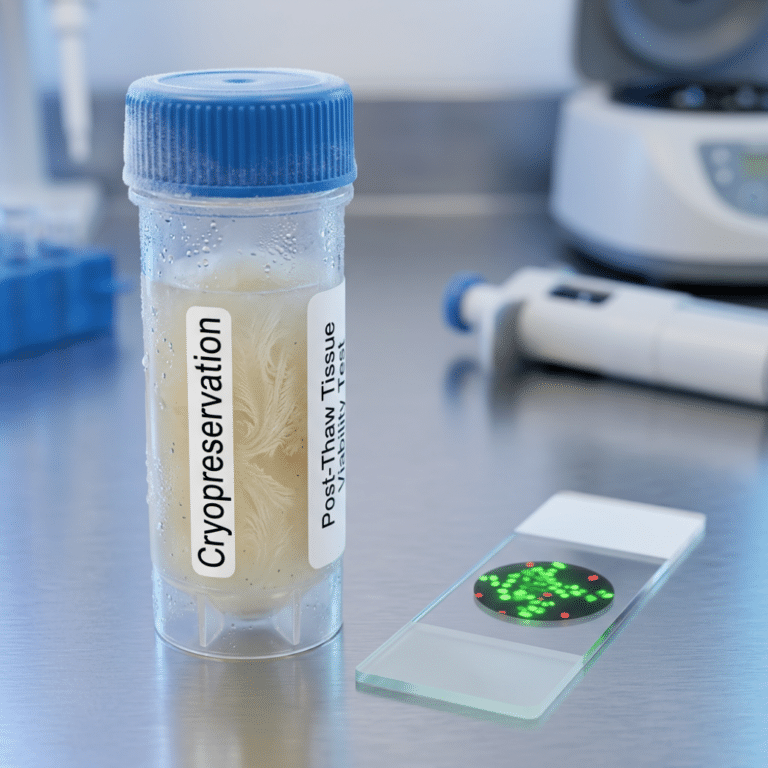
Adipose tissue banking is a preservation service, not a therapeutic product. Save My Fat helps individuals preserve their own adipose tissue through validated cryopreservation protocols for potential future opportunities that may arise as regenerative medicine science and FDA regulations evolve. Both autologous and allogeneic ADSC approaches are being tested for neurological conditions, meaning research may eventually use either a patient’s own cells or donor cells. Adipose tissue harvested and cryopreserved today retains the cellular characteristics present at the time of collection.
Banking adipose tissue today does not guarantee eligibility for any neurological clinical trial, access to any investigational product, or clinical benefit from any future therapy. Any future use depends on the regulatory status of products or procedures at that time, the patient’s clinical situation, physician guidance, and availability of FDA-regulated pathways including clinical trials, Expanded Access programs, or future approved therapies.
Frequently Asked Questions
Are adipose-derived stem cells FDA-approved for any neurological condition? No. No adipose-derived stem cell product has FDA approval for any neurological condition, including spinal cord injury, TBI, stroke, Alzheimer’s disease, Parkinson’s disease, MS, or ALS. All such therapies remain investigational. Any clinic marketing stem cell “treatments” for neurological conditions is promoting unapproved products.
What did the Mayo Clinic spinal cord injury study find? The Phase I trial of 10 patients with traumatic SCI found that intrathecal delivery of autologous adipose-derived MSCs was safe and well-tolerated. Seven of ten participants showed improvement on the AIS impairment scale over 2 years of follow-up. However, this was a small Phase I safety trial without a control group, and results must be interpreted with caution. A larger Phase II study is underway.
Can banked adipose tissue be used for neurological treatment? Banking adipose tissue is a preservation service, not a neurological treatment. Whether banked tissue could be used in a future clinical trial or approved neurological therapy depends entirely on future scientific developments, FDA regulatory decisions, specific trial protocols, and individual clinical circumstances. There is no current pathway to use banked adipose tissue as a neurological treatment outside of a properly regulated clinical trial or future approved therapy.
How far away are FDA-approved ADSC therapies for neurological conditions? Most neurological ADSC research remains in Phase I to Phase II (early stages). The path from Phase I to FDA approval typically requires 10 or more years. No ADSC neurological product has entered Phase III trials in the United States. Timelines are inherently uncertain and depend on trial outcomes, funding, regulatory decisions, and scientific progress.
Why are there so many different delivery methods being tested? The blood-brain barrier presents a unique challenge for neurological applications. Researchers are testing IV infusion (whole body distribution), intrathecal injection (direct access to spinal fluid and CNS), intracerebral injection (direct brain delivery), and nasal delivery (potential blood-brain barrier bypass) to determine which route best delivers cells or their therapeutic factors to the target tissue. Each route has different advantages, risks, and regulatory considerations.
Are stem cell treatments for spinal cord injury or TBI available at clinics? Any clinic currently offering stem cell “treatments” for spinal cord injury, TBI, or other neurological conditions is providing an unapproved product. The FDA has taken enforcement actions against clinics marketing unapproved stem cell products. Legitimate research for these conditions occurs within properly controlled clinical trials at accredited institutions. Patients should consult ClinicalTrials.gov and their physicians for information about potential trial participation.
Key Takeaways
No ADSC product has FDA approval for any neurological condition. All adipose-derived stem cell research for neurological conditions remains investigational and unapproved. This includes spinal cord injury, TBI, stroke, Alzheimer’s disease, MS, and ALS.
The Mayo Clinic Phase I trial is the strongest published evidence. Ten SCI patients received intrathecal adipose-derived MSCs with no serious adverse events and seven showing AIS grade improvement over 2 years. This was a small, uncontrolled Phase I safety trial, and results require confirmation in larger studies.
Phase II controlled trials are expanding the evidence base. Randomized, placebo-controlled studies are active for chronic TBI and acute ischemic stroke. Phase I/II trials have been registered for Alzheimer’s disease and multiple sclerosis.
Neurological patients are especially vulnerable to unethical clinics. No stem cell “treatment” for any neurological condition is FDA-approved. Patients should verify ClinicalTrials.gov registration, IRB oversight, and IND status before enrolling in any regenerative medicine study.
Adipose tissue banking preserves future options. Save My Fat banks intact tissue under 361 HCT/P regulations, preserving biological material for potential future use in FDA-regulated pathways. Banking does not guarantee access, eligibility, or benefit from any neurological therapy.
Learn More
Before contacting Save My Fat: Adipose tissue banking is a preservation service for potential future opportunities, not a treatment or cure for any disease or neurological condition. Outcomes cannot be guaranteed. All medical decisions must be made with a licensed healthcare provider.
To explore neurological and other stem cell research areas, visit the Save My Fat pages on joint and orthopedic research, wellness and healthy aging, and emerging research.
To understand the banking process, visit how stem cell banking works or explore pricing and family eligibility.
Healthcare providers can learn more on the providers page.
Patients interested in neurological research should discuss options with their own clinicians and review registered studies at ClinicalTrials.gov.
Save My Fat Adipose Tissue Banking for Future Regenerative Medicine Opportunities
Last Updated: March 25, 2026.